With the cash rate back at 4.6%, the comparison with 2011 highlights how much more exposed households are today. Cotality data cited by The Sydney Morning Herald shows Sydney's median house value was about $598,888 in October 2011, while national housing values have more than doubled as wages rose by roughly 49%.
A$75m Point Piper sale highlights softer conditions at Sydney’s top end
Bloomberg reports that Radford, a waterfront mansion in Point Piper, has sold after its asking price was cut from A$85 million to A$75 million. The property had been marketed since August last year and the asking price was reduced by about 12% this month. Sotheby’s International Realty agent Michael Pallier told Bloomberg the sale was around the revised asking level, while declining to disclose the exact price. The result adds to signs that Sydney’s prestige housing market is becoming more price-sensitive, with even trophy properties requiring sharper vendor expectations.
Housing correction broadens as Westpac cuts its price outlook
Westpac’s September Housing Pulse says Australia’s housing correction has broadened and intensified, with prices still moving lower and turnover weak. Its Consumer Housing Sentiment Index points to a pull-back in turnover of around 25%, compared with an earlier 20% forecast, while Westpac now expects a 7.3% peak-to-trough decline in prices nationally. Selling pressure remains limited and supply-demand conditions are still relatively tight, but the report describes the near-term outlook as challenging. For Sydney landlords, softer sale-market conditions are worth watching alongside local rental demand rather than treating national price forecasts as a direct guide to an individual property. An Instant Rental Estimate can provide a separate rental-market reference point.
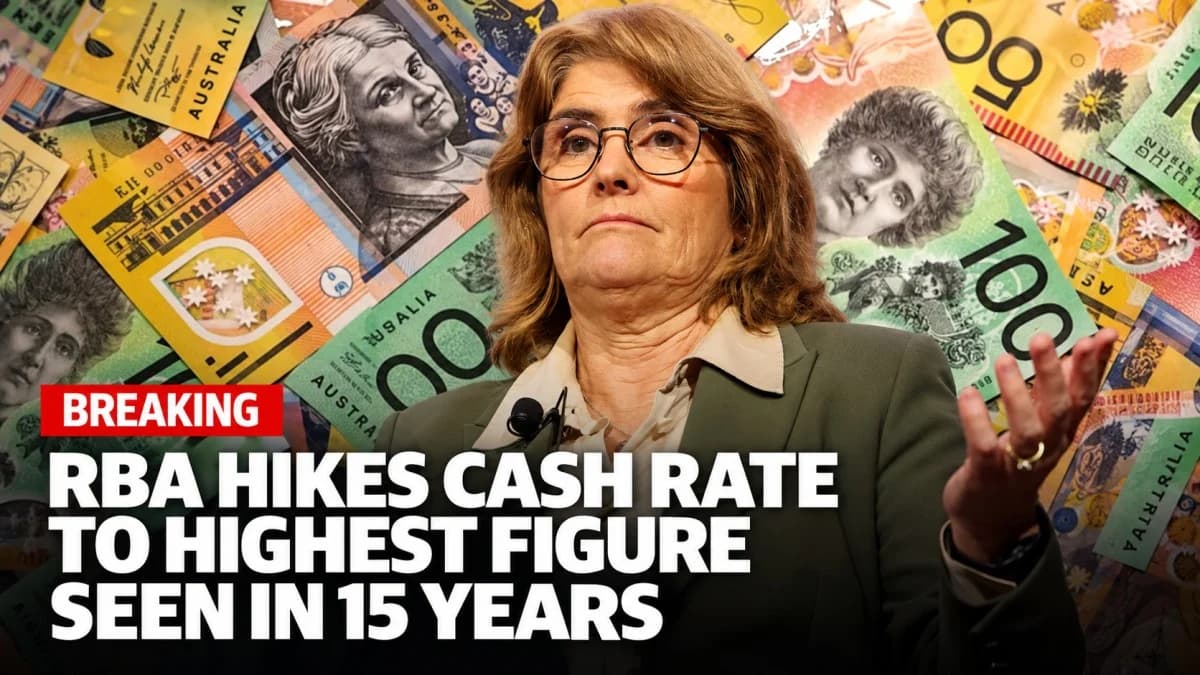
BREAKING: The Reserve Bank of Australia has raised the cash rate target by 25 basis points to 4.60%, saying inflation remains too high and upside risks have increased. For Sydney property owners and buyers, the immediate impact is higher variable borrowing costs and tighter borrowing capacity, while property prices and rents will continue to depend on supply, demand, employment and credit conditions.
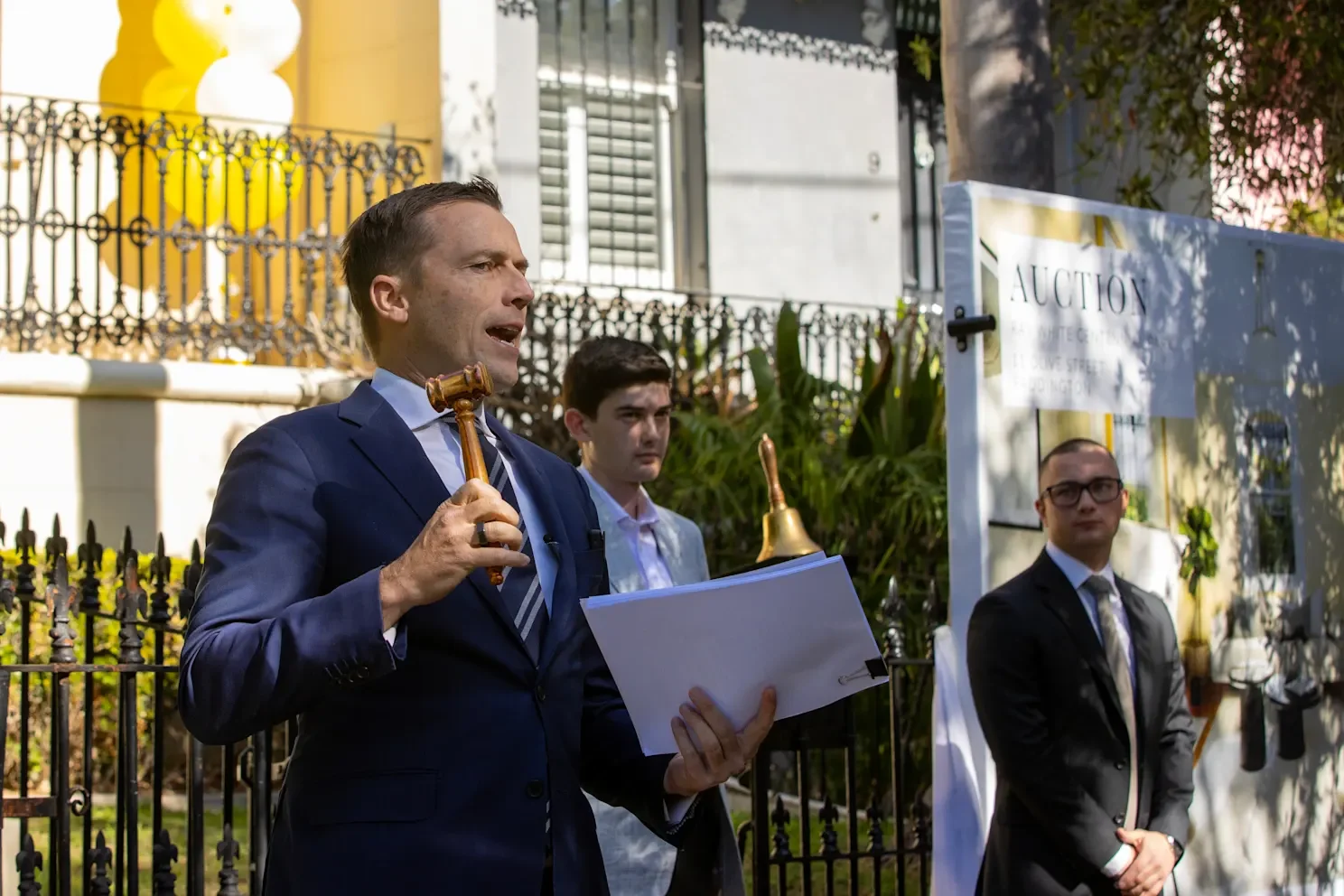
Sydney recorded 790 auctions last week, up 39% from the previous week but 32% lower than a year earlier, according to Cotality. The preliminary clearance rate slipped 0.6 percentage points to 53.6%, its lowest level in eight weeks. For Sydney owners considering a sale, the combination of higher spring listing activity and softer clearance rates reinforces the need to assess suburb-level demand, presentation and pricing rather than relying on citywide auction headlines alone.
The Reserve Bank Board meets on 28–29 September, with economists and markets widely expecting a 25-basis-point increase from 4.35% to 4.60%. A higher cash rate would add further pressure to mortgage repayments and investment-property cash flow. For landlords, higher financing costs do not automatically determine an appropriate rent increase: any review should still reflect NSW timing rules, current local rental evidence and a property-specific Rental Appraisal.
New analysis from AMP chief economist Shane Oliver estimates capital-city houses are about 38% above a long-run rent-based measure of fair value. Sydney houses are estimated at 41% above that benchmark, while Brisbane is highest at 61%. Oliver cautions the measure is not a forecast that prices will fall by the same amount; rather, it highlights how stretched price-to-rent ratios remain. For Sydney property owners and investors, the figures are a reminder to separate headline valuations from local rental performance, financing costs and the fundamentals of an individual property.
Reserve Bank Governor Michele Bullock says some upside risks to inflation may be materialising as energy prices remain elevated and excess demand persists in the Australian economy. She stressed that the comments were not intended to signal the outcome of the RBA Board’s 29 September meeting. The cash rate is currently 4.35% after three increases this year, while underlying inflation remains above the RBA’s 2–3% target range. For property owners and borrowers, the comments reinforce the need to assess repayments and investment cash flow against current financing conditions rather than assuming near-term rate relief.