REA Group analysis comparing advertised rents with NSW Fair Trading bond lodgements found tenants paid below the asking rent in 80% of Sydney LGAs. The biggest gaps highlighted were Ku-ring-gai at 9.5% below asking, Woollahra at 9.1% and Waverley at 7.4%. For landlords, the practical takeaway is not that rents are broadly falling, but that an ambitious asking price can now translate into negotiation or extra vacancy in many areas. Current achieved rent and competing stock matter more than headline asking figures when setting a new lease or reviewing rent.
The RBA's October Financial Stability Review says most mortgage borrowers remain resilient despite higher rates and falling housing prices. Around 2% of variable-rate owner-occupier borrowers are estimated to be in cash-flow shortfall, while less than 1% of borrowers are currently in negative equity. Even with a further 20% fall in housing prices, the RBA estimates around 5% of mortgages would move into negative equity. For Sydney owners, the figures point to broad balance-sheet resilience, but also reinforce the importance of allowing for higher financing costs and property-specific cash flow.
More than a quarter of Australian homes listed for sale have now been on the market for six months or longer, according to Real Estate Industry Partners data reported by the Australian Financial Review. Nationally, 28% of listings have been on the market for more than 180 days; the share is 18% in Sydney and more than 21% in Melbourne. The report points to higher borrowing costs and more cautious buyers as sellers face a slower, more price-sensitive market. For Sydney vendors, the figures reinforce the importance of realistic pricing and adjusting quickly when buyer feedback shows a property is not meeting the market.
Changes to the after-tax treatment of capital gains are influencing how Australian investors think about asset allocation, according to an Australian Financial Review analysis by Damien Boey. The article argues that changes to the capital-gains framework can alter the relative appeal of long-term growth assets versus income-producing investments, making after-tax returns increasingly important when comparing strategies. For residential property investors, tax settings are only one part of the return equation. Rental performance, vacancy, operating costs and day-to-day management can also materially shape the outcome of a long-term investment. YAY Real Estate's Sydney property management service helps landlords keep those fundamentals working effectively while their broader investment strategy evolves.
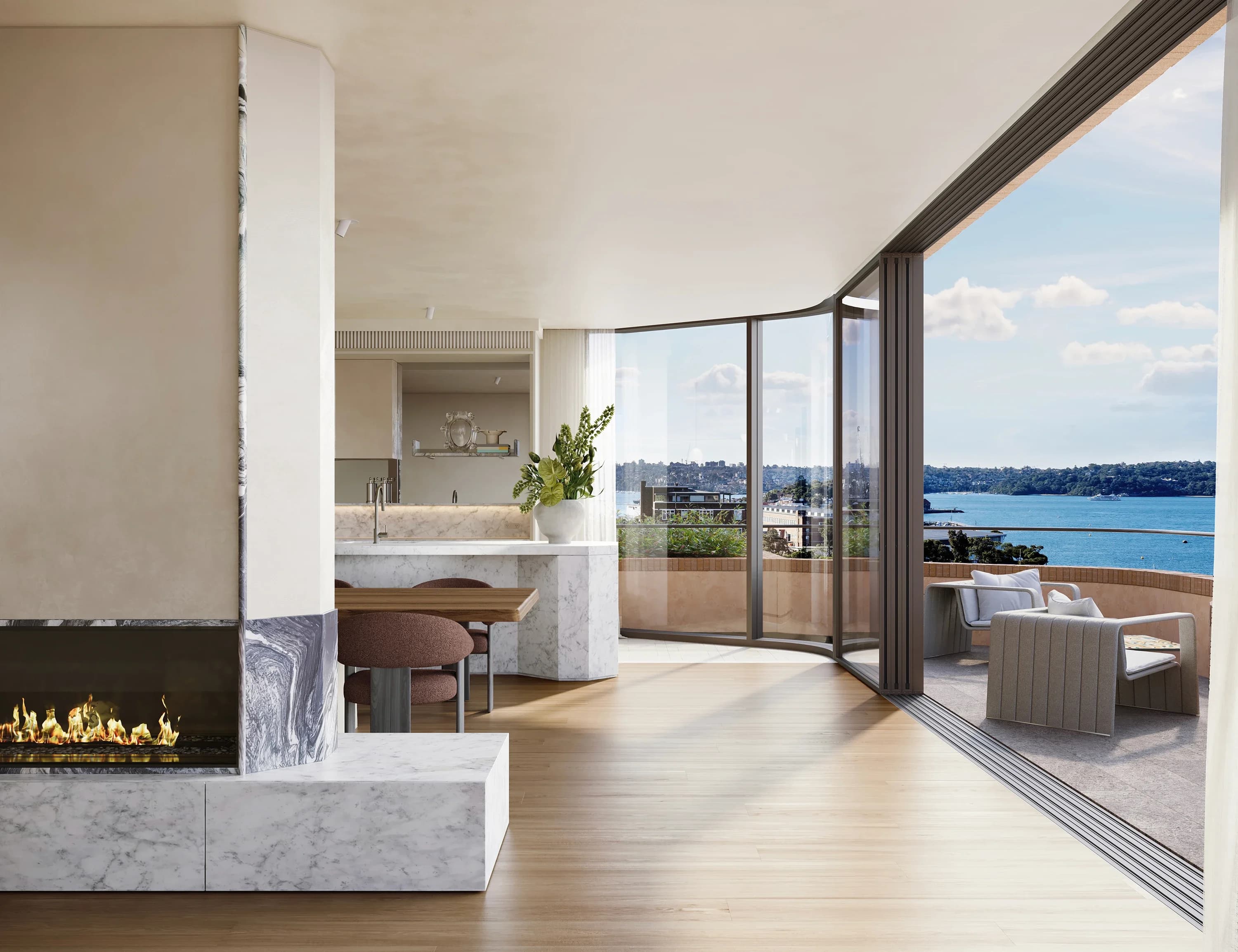
Two house-sized four-bedroom apartments at a Billyard Avenue development in Elizabeth Bay sold on the same day for $20.5 million and $19.5 million. Both buyers were retirees from Sydney’s eastern suburbs, highlighting continued demand from downsizers for premium, low-maintenance apartments with generous space and harbour-side amenity.
Domain Research says buyers entering spring are becoming more deliberate about the homes they want, with search behaviour increasingly centred on flexibility, functionality, lifestyle and space rather than broad market conditions alone. The pattern varies by city, but for Sydney sellers the practical message is clear: presentation and pricing still matter, yet buyers are also scrutinising how well a property fits day-to-day living. Homes with usable layouts, adaptable spaces and a clear lifestyle proposition may be better placed to attract attention in a more selective market.
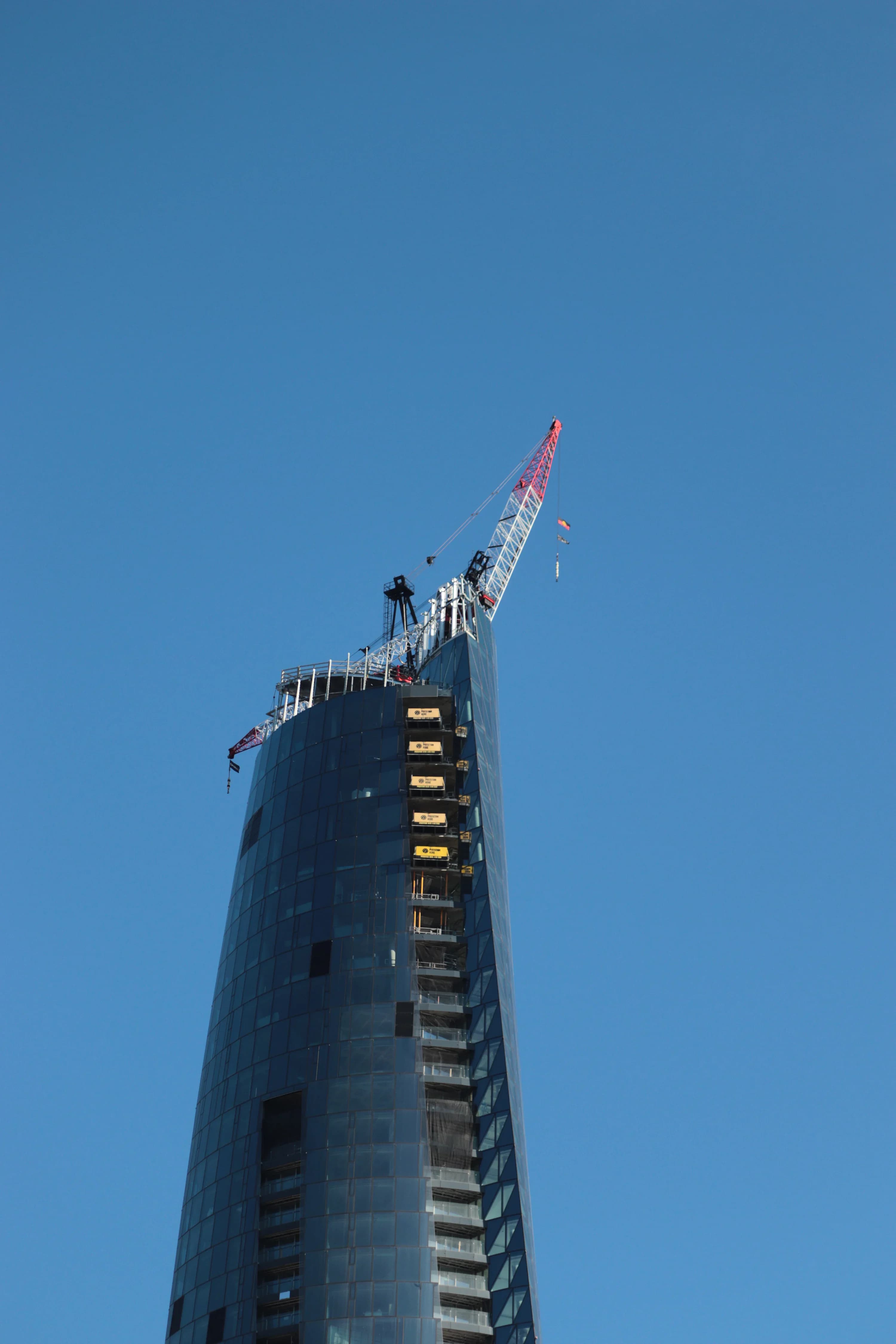
Fresh ABS building approvals data show a broad monthly decline led by a sharp fall in approvals for apartments and other attached dwellings, while private house approvals moved higher. New South Wales was the only state to record a fall in private-sector house approvals. For Sydney owners and investors, the mix points to a softer future apartment supply pipeline, although an approval is only an early project milestone and does not guarantee construction.
Sydney dwelling values are now 8.6% below their February 2026 peak after a 1.4% fall in September, while national values are 5.2% below their March peak. Cotality says higher interest rates and weaker borrowing capacity are continuing to weigh on buyer demand.