Australian Savings Rates Reach 6%: What It Means for Property Buyers and Investors
Selected Australian savings accounts now offer 6.00% p.a., subject to eligibility, balance limits and account conditions. BOQ Future Saver targets customers aged 14–35, with its highest rate applying to balances up to $50,000. Newcastle Permanent Smart Saver Under 25s offers 6.00% p.a. on the portion below $50,000 when its bonus conditions are met. These variable savings rates are neither universally available nor guaranteed.
For eligible home buyers, a higher savings return can help a deposit grow, but check the monthly conditions, balance caps and access to funds before switching accounts. Savings interest is income paid on deposits; mortgage interest is a borrowing cost. A 6% savings offer does not mean home loans cost 6%, nor does it establish how much a bank will lend. Buyers still need to assess repayments against their actual loan terms and budget. Investors can compare cash returns with a property's income and holding costs, including vacancies, rather than treating a headline savings rate as a reason to buy or sell.
Higher for longer? What Sydney landlords should watch
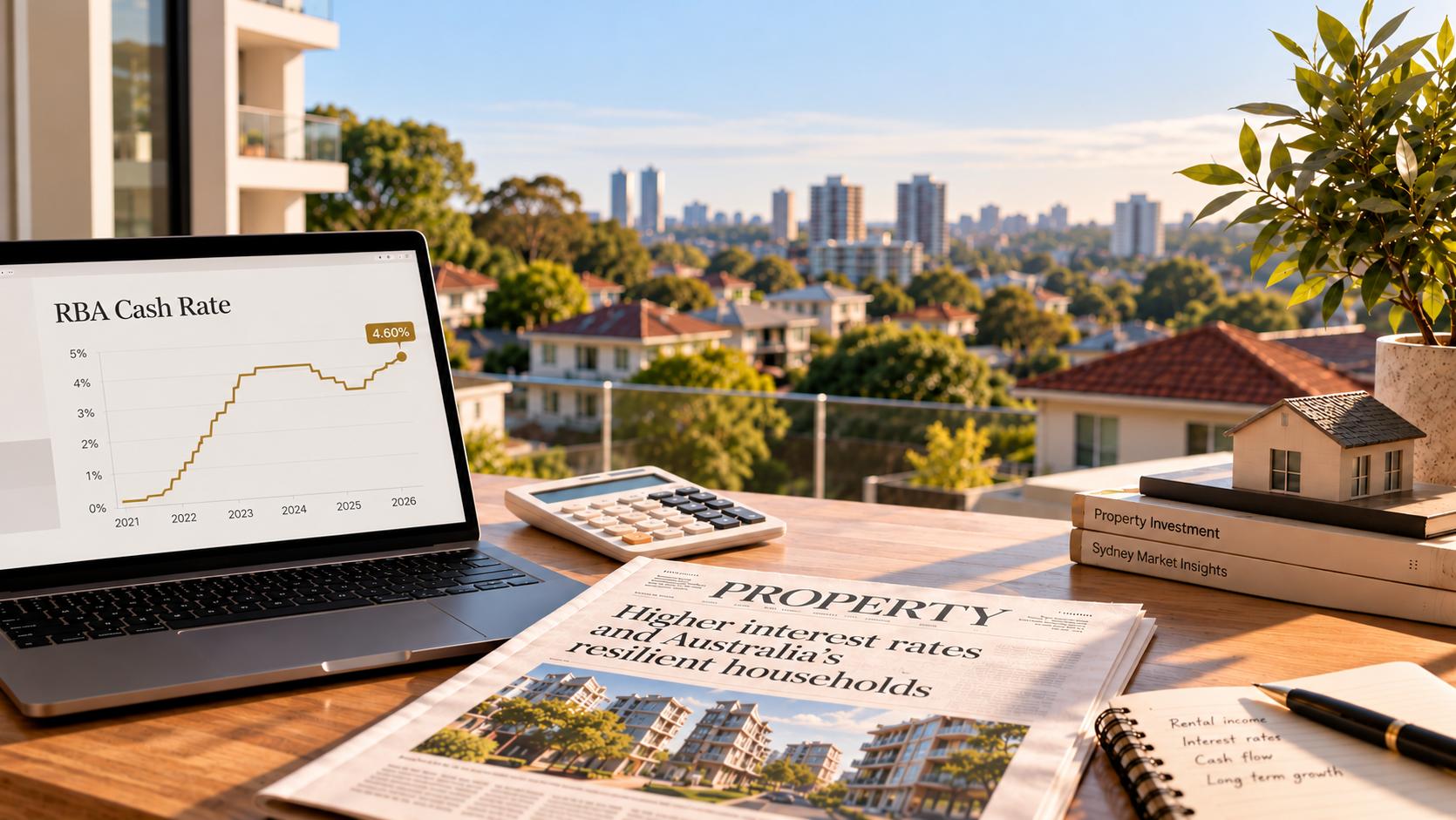
Australian household spending has remained resilient despite elevated borrowing costs, raising questions about how quickly inflation may ease. In the first YAY Perspectives column, we explore why national household wealth can mask pressure on individual property owners—and why realistic rental pricing, vacancy planning and maintenance reserves matter when rate relief is uncertain. Read YAY Real Estate's original analysis.
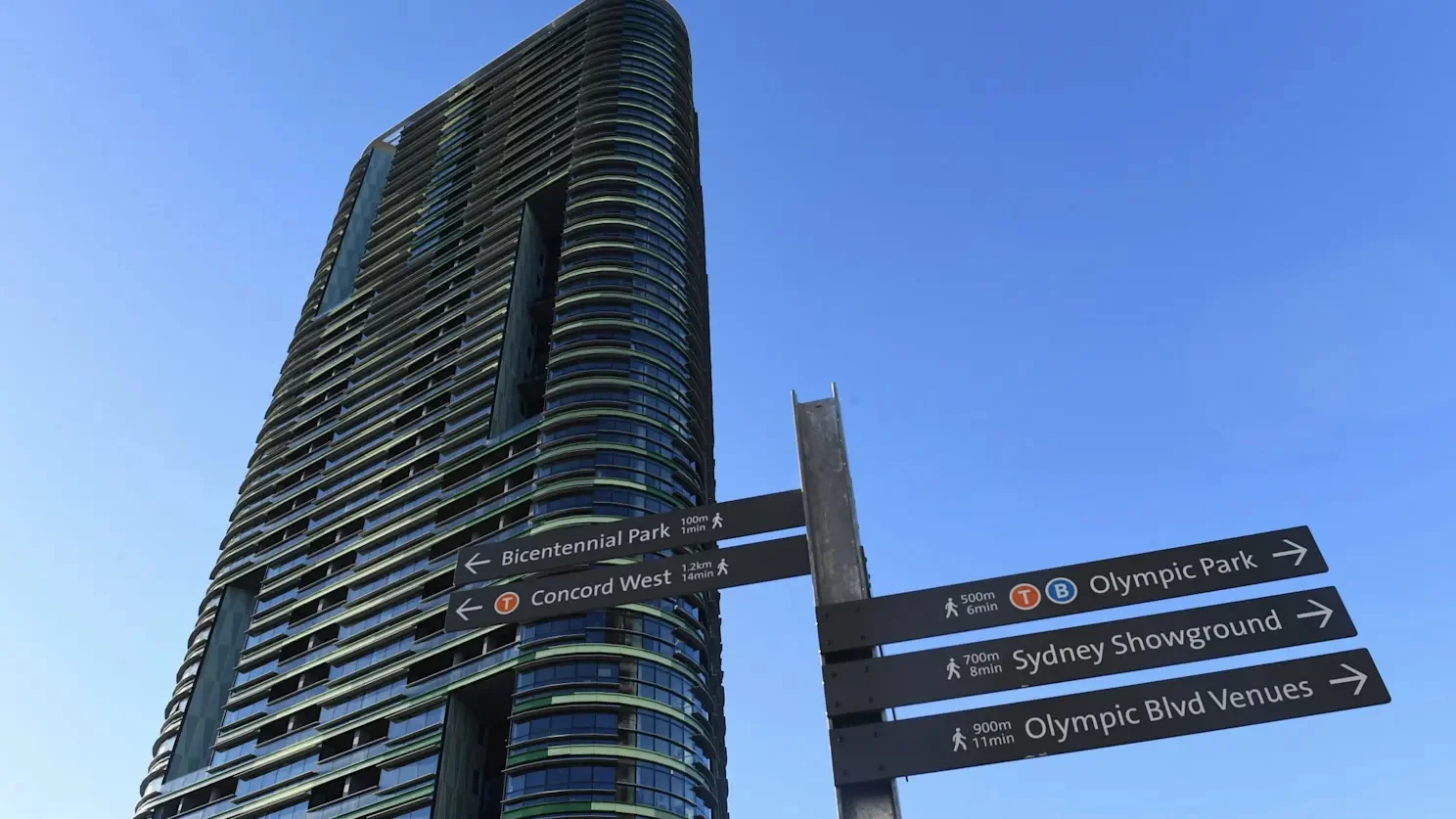
Opal Tower declared defect-free nearly eight years after evacuation
Sydney Olympic Park's 392-apartment Opal Tower has been formally declared defect-free following extensive rectification work and legal proceedings stemming from structural cracks discovered on Christmas Eve 2018. ABC News reports that the owners corporation has secured a 20-year structural warranty, with compensation and legal matters resolved. The milestone is significant for residents, but buyers and landlords should still review strata records, engineering documentation and warranty terms when assessing any apartment building.
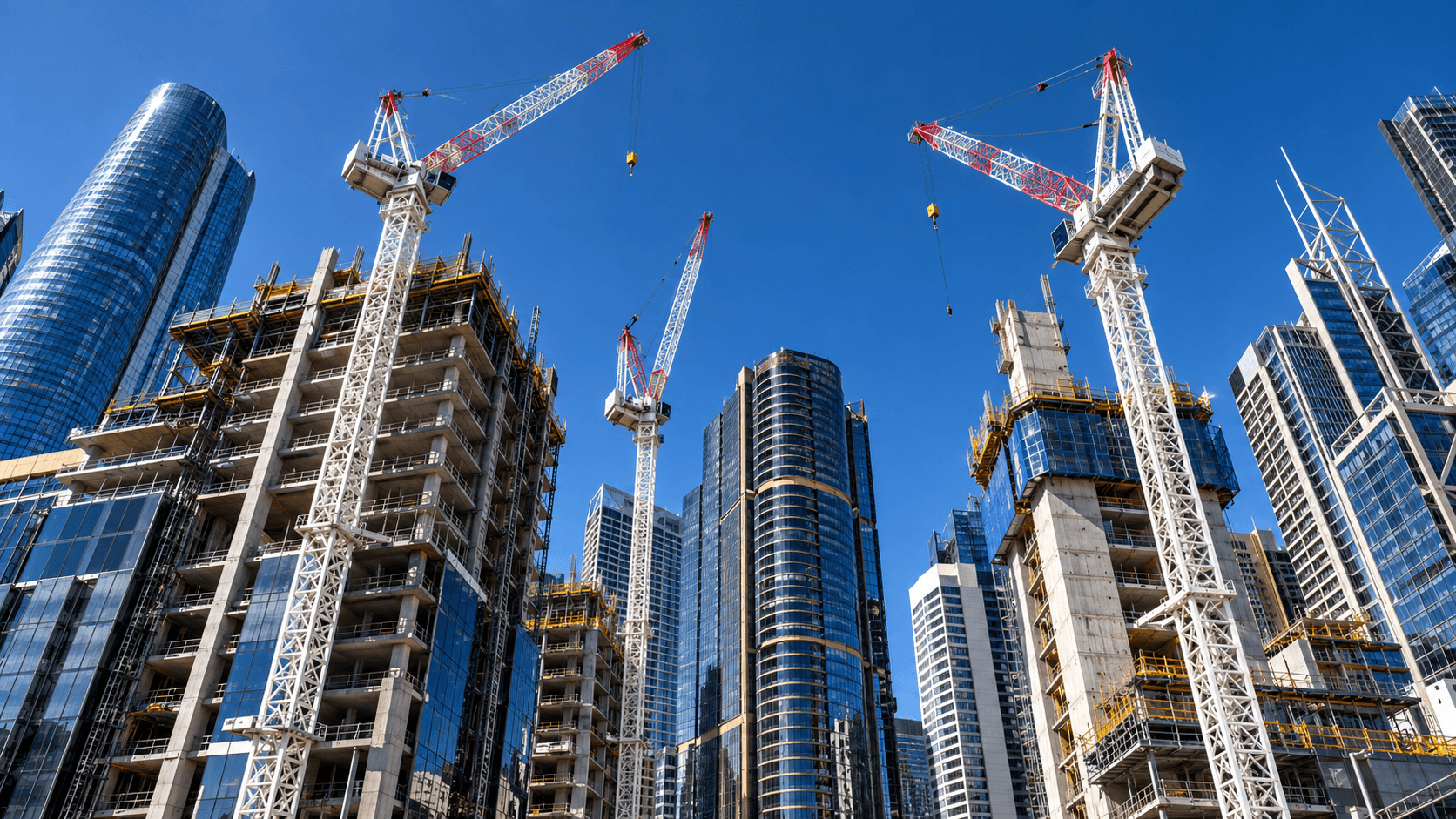
NSW completed 49,545 homes in 2025-26, the state's highest annual result since 2020-21 and 16% above 2024-25. Commencements also rose to 51,807, more than 10% higher than 2024-25. ABS data reinforce the improvement: 13,332 dwellings were completed in NSW in the June 2026 quarter, compared with 9,291 in the June 2025 quarter. For Sydney owners, investors and renters, the lift in completions is a positive supply signal, although one stronger year does not by itself remove the longer-term shortage or guarantee near-term relief in every local market.
NSW survey finds tenants initiated about 85% of tenancy endings
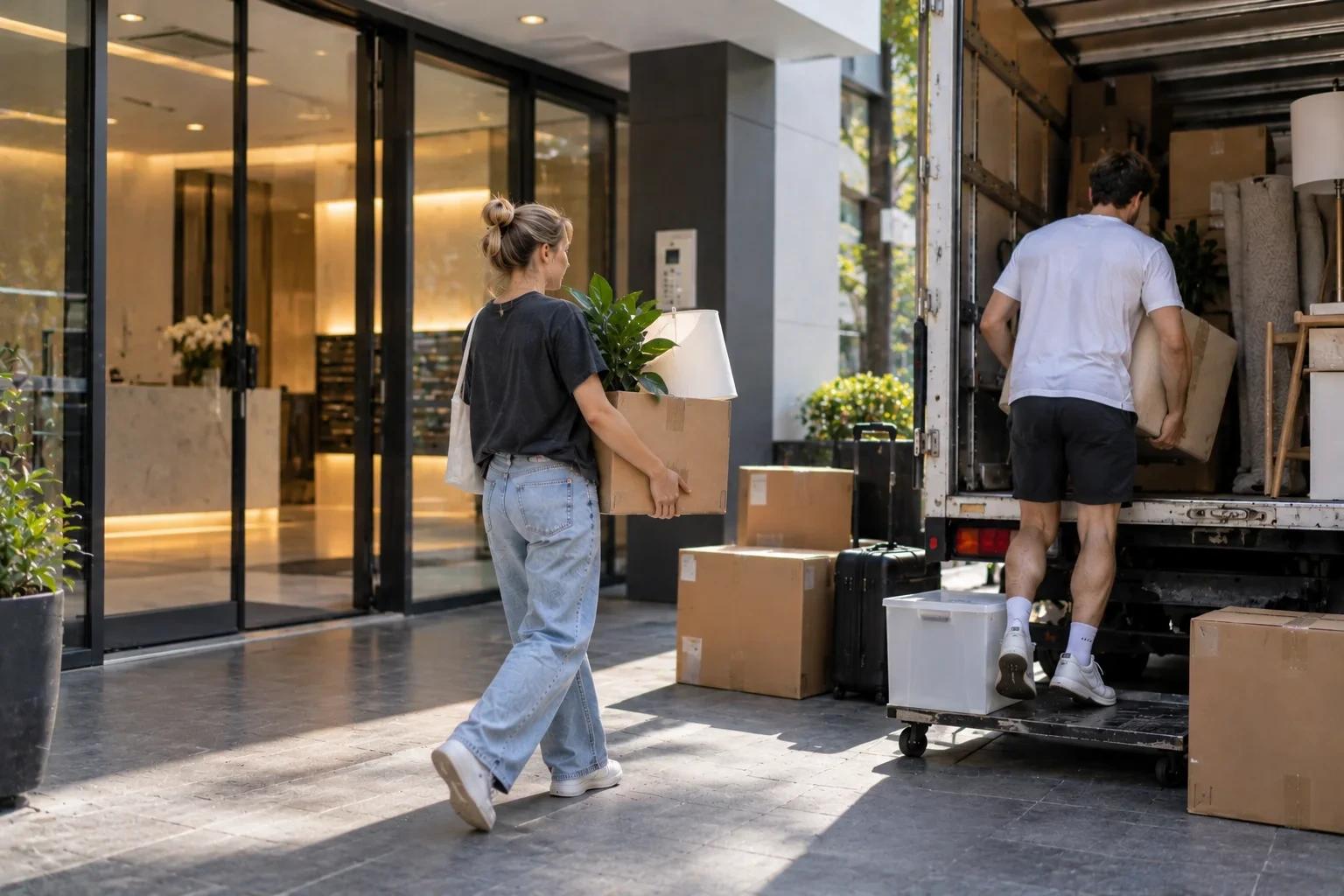
NSW’s first mandatory End of Tenancy Survey collected more than 275,000 landlord and agent responses, covering around 90% of rental bonds refunded during the reporting period. Approximately 85% of tenancies were reported as ended by tenants. Where landlords ended a tenancy, owner or family occupation and property sales were the main reported reasons. For landlords, the practical takeaway is to keep clear records supporting any termination and check the applicable re-letting restrictions before advertising again.
9 Greater Sydney areas made a new national list of locations where younger owner-occupiers are gaining a foothold and long-term growth has outperformed the wider market. The analysis filtered for areas with a median age below 35 and falling, investor ownership below 22%, and stronger 10-year growth. Bidwill–Hebersham–Emerton led Sydney’s entries, highlighting the continuing affordability and infrastructure story across parts of Western Sydney.
The NSW Government has extended consultation on the draft Edgecliff-Woollahra rezoning to 5pm on 30 October 2026. The proposal could enable up to 9,400 new homes and around 1,000 jobs, with building heights of up to 34 storeys near Edgecliff Station and 32 storeys near the future Woollahra Station. It also proposes a 3% affordable-housing contribution base rate, rising to as much as 15% on certain sites. For owners, buyers and investors in Sydney's east, the key point is that this remains a draft rezoning rather than an approval, but it could materially change future housing supply, density and local amenity around the two stations.
NSW has declared 15 more Housing Delivery Authority projects as State Significant Development, including 14 in metropolitan Sydney. If lodged and approved, the projects could deliver 4,346 new homes. The HDA pipeline now includes 499 State Significant Development proposals with potential for more than 154,000 homes. For Sydney owners and investors, this is a useful supply-side signal, although declaration alone does not mean the projects are approved or under construction.