Sydney auction clearance rate revised to 52% for 12 September
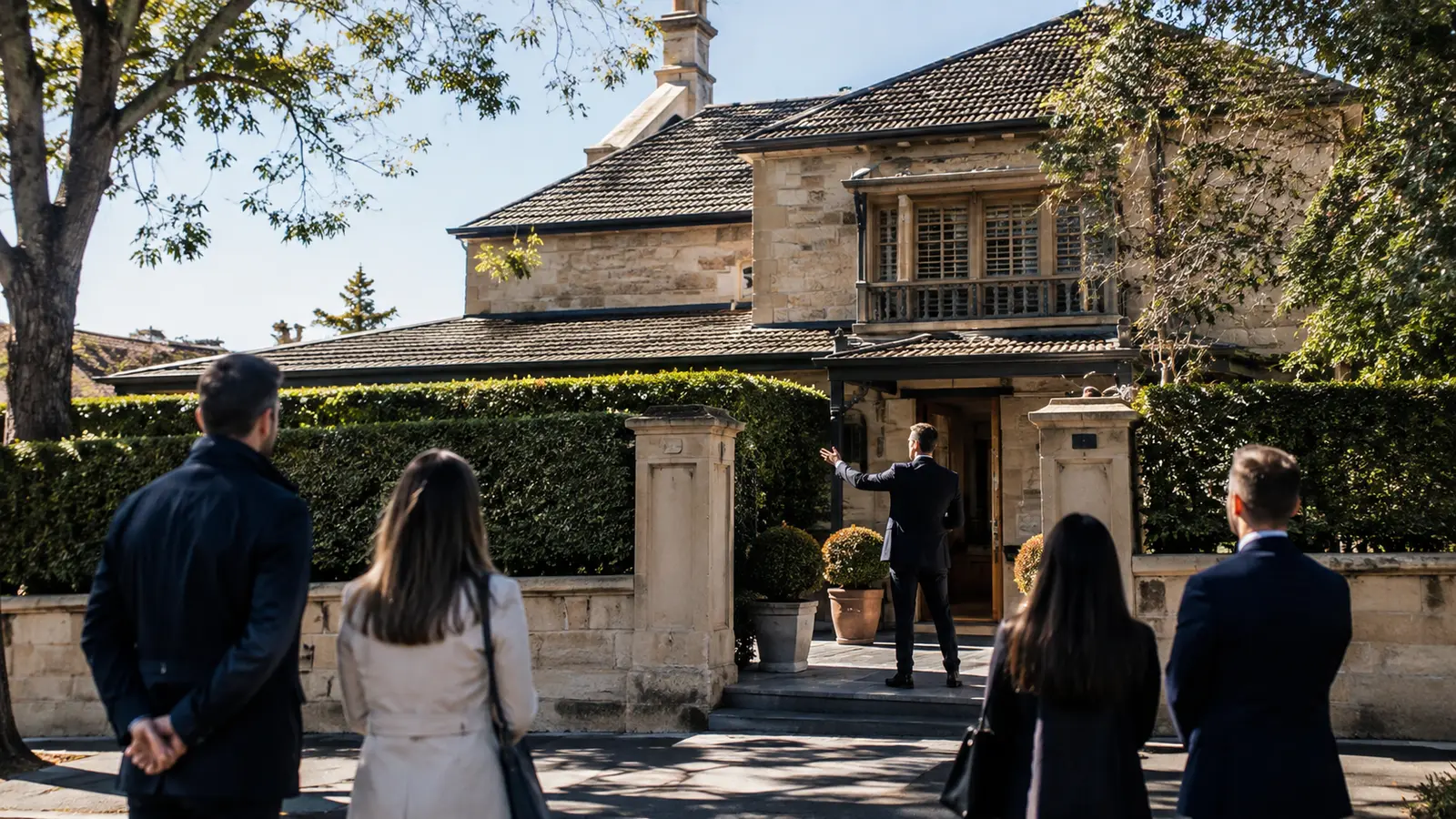
Domain’s later-reported Sydney auction results for the week ending 12 September 2026 show 707 auctions scheduled and 523 results reported. 274 properties sold, 115 were withdrawn and 134 passed in, producing a 52% clearance rate, compared with 71% at the same time last year. Reported sales totalled $269,520,764, with a median sale price of $1,617,500. Domain last updated this historical weekly page on 18 September 2026 and describes the results as preliminary and current at the time of publication.
Australia’s residential property market contracted in the June quarter, with ABS figures reported by realestate.com.au showing the total value of dwellings fell by $34.1 billion to $12.68 trillion. NSW recorded the sharpest state-level fall in dwelling prices, down 2.4% over the quarter, equivalent to roughly $32,700 per dwelling. The figures underline how higher borrowing costs and weaker market conditions are weighing more heavily on NSW housing than on most other states.
Industry-commissioned modelling reported by The Australian estimates that federal budget housing and investment changes could result in 10,700 fewer homes being built by 2029–30 and around 4,700 fewer construction jobs. About 2,000 of the projected dwelling reduction was attributed to proposed restrictions affecting SMSF property investment. The modelling also forecasts additional upward pressure on rents, although Treasury has published a materially smaller estimate of the rental impact. The figures are projections rather than realised outcomes, but they add to debate over whether current policy settings will help or hinder housing supply.
The Australian has highlighted a broader cash-flow squeeze on mortgaged households as housing costs remain high and labour-market conditions soften. Citing Roy Morgan data, the report says full-time employment fell to 9.093 million in July 2026 from 9.321 million in January, while 20.4% of the workforce was estimated to be unemployed or underemployed. With mortgage repayments and essential household costs elevated, weaker income security can reduce borrowers’ capacity to absorb further financial shocks. The article also repeats July mortgage-stress figures that YAY Real Estate covered separately on 7 September, so this update focuses on the employment and household-cash-flow dimension rather than republishing the same stress statistic.
Australia’s housing correction is increasingly split by price point. Cotality says Sydney’s upper-quartile dwelling values are now 10.7% below their peak, while Melbourne’s are down 10.5%. In Sydney, the gap between the cumulative decline in high- and low-priced homes has widened to 5.3 percentage points, with more affordable stock proving comparatively resilient. For owners and buyers, the data suggests premium property remains more exposed to weaker borrowing capacity and sentiment, while affordability is supporting demand further down the price spectrum.
SQM Research data for August shows 38,293 residential properties listed for sale in Sydney. Although total Sydney listings eased 2.8% over the month, they remained 13.3% higher than a year earlier, giving buyers more choice heading into spring. Nationally, listings were 12.8% above August 2025 and distressed listings rose 10.0% year-on-year to 4,510. The national distress figure remains relatively contained, but the combination of more available stock and subdued asking-price growth will be an important test of vendor expectations and buyer demand this spring.
Sydney asking rents eased during August even as rental availability remained constrained. My Housing Market data reported by Property Update put median weekly asking rents at $873 for houses, down 0.3% over the month but still 9.1% higher year-on-year, with a 1.4% vacancy rate. Units averaged $835 per week, down 1.8% for the month but up 11.3% annually, with vacancies at 1.6%. For landlords and tenants, the combination suggests the August rent dip may reflect short-term seasonal movement rather than a broad easing in rental supply.
Reserve Bank Deputy Governor Andrew Hauser says inflation remains Australia's key economic problem even as growth is around trend, unemployment is near historic lows and household incomes are improving. The RBA has already raised rates three times this year, and Hauser said another increase remains under consideration rather than inevitable. For Sydney owners, buyers and investors, the message is that borrowing costs may stay higher for longer and mortgage-serviceability assumptions should remain conservative.