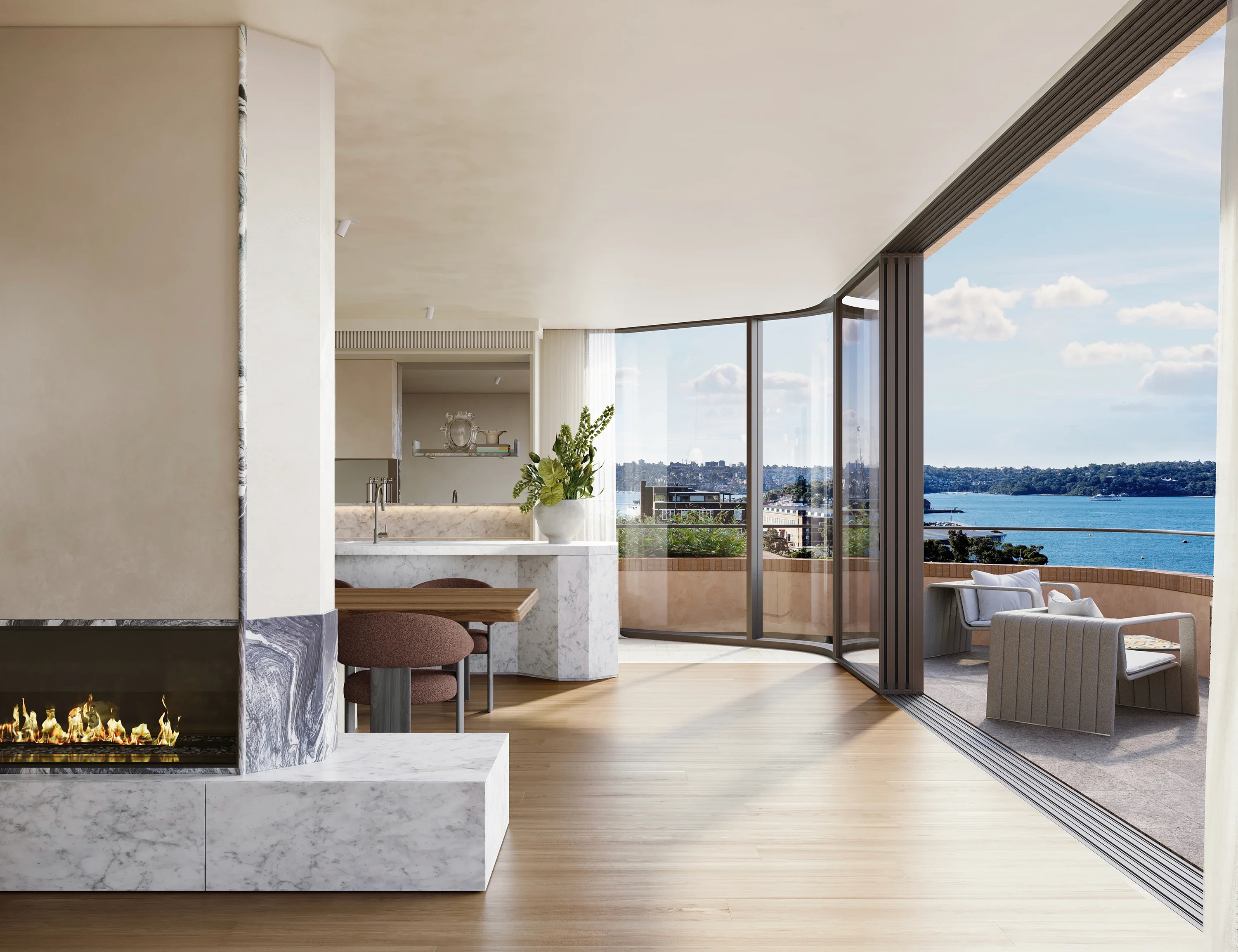
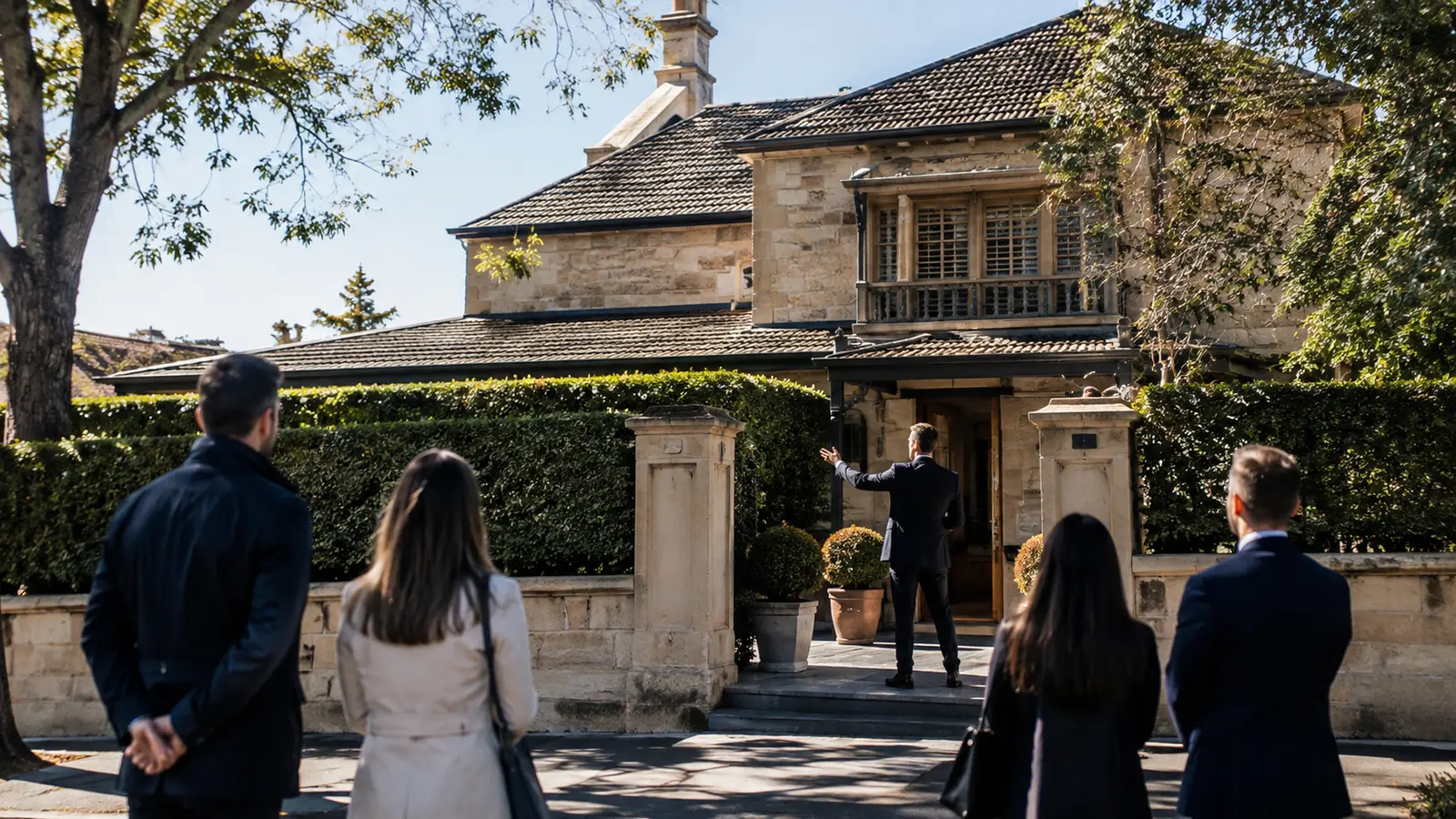
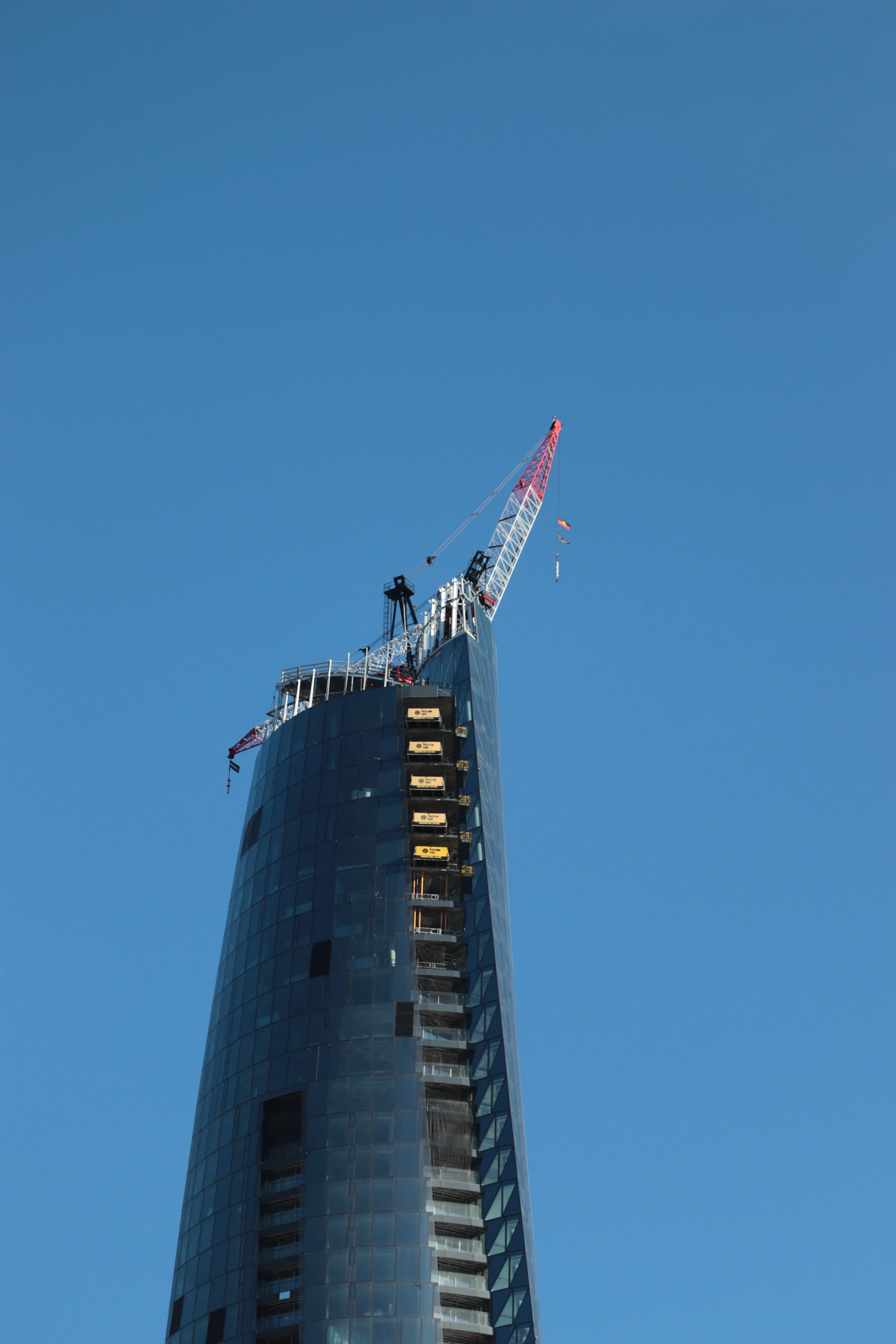
Two house-sized four-bedroom apartments at a Billyard Avenue development in Elizabeth Bay sold on the same day for $20.5 million and $19.5 million. Both buyers were retirees from Sydney’s eastern suburbs, highlighting continued demand from downsizers for premium, low-maintenance apartments with generous space and harbour-side amenity.
Sydney auction clearance rate holds at 53% in revised weekly results
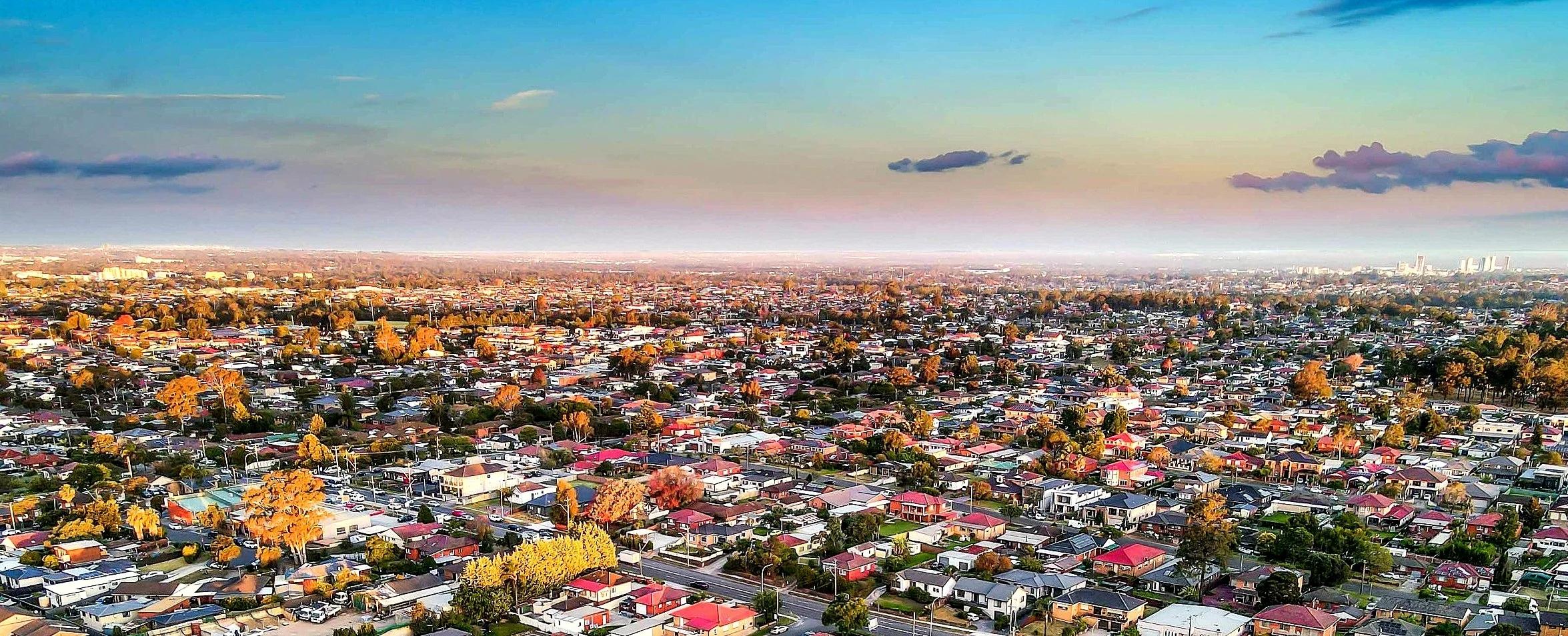
Domain’s later-reported Sydney auction results for the week ending 3 October 2026 show 522 auctions scheduled and 331 results reported. 174 properties sold, 84 were withdrawn and 73 passed in, producing a 53% clearance rate. Reported sales totalled $136,560,555, with a median sale price of $1,312,500. Domain last updated this historical weekly page on 7 October 2026 and describes the results as preliminary and current at the time of publication.
Domain Research says buyers entering spring are becoming more deliberate about the homes they want, with search behaviour increasingly centred on flexibility, functionality, lifestyle and space rather than broad market conditions alone. The pattern varies by city, but for Sydney sellers the practical message is clear: presentation and pricing still matter, yet buyers are also scrutinising how well a property fits day-to-day living. Homes with usable layouts, adaptable spaces and a clear lifestyle proposition may be better placed to attract attention in a more selective market.
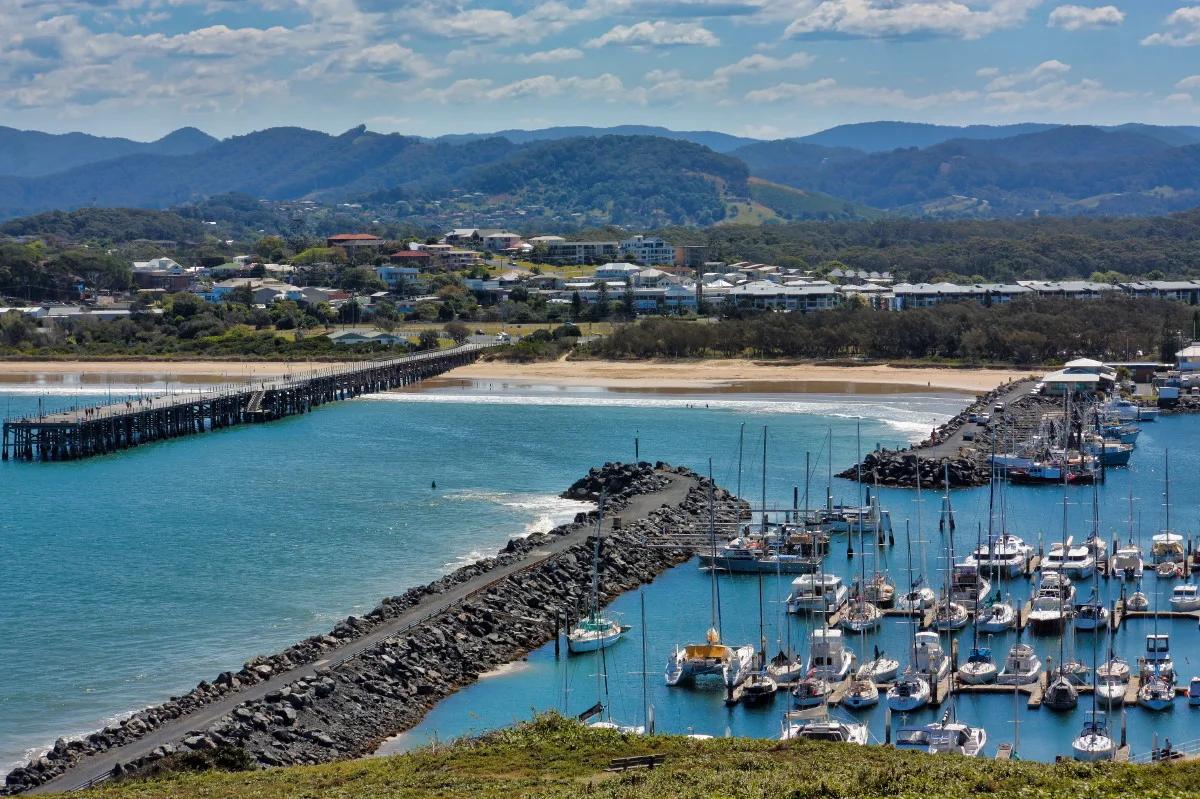
The NSW Government has finalised the Coffs Harbour Jetty Foreshore rezoning, allowing a mixed-use waterfront precinct with around 250 new homes and 200 tourist accommodation rooms. The final plan also includes a 3% in-perpetuity affordable-housing dedication or monetary contribution, new public open space and building heights of two to six storeys. While the project is regional rather than Sydney-based, it is another example of NSW using government land and rezoning to add housing supply, with future delivery still dependent on subsequent development approvals and construction.
Fresh ABS building approvals data show a broad monthly decline led by a sharp fall in approvals for apartments and other attached dwellings, while private house approvals moved higher. New South Wales was the only state to record a fall in private-sector house approvals. For Sydney owners and investors, the mix points to a softer future apartment supply pipeline, although an approval is only an early project milestone and does not guarantee construction.
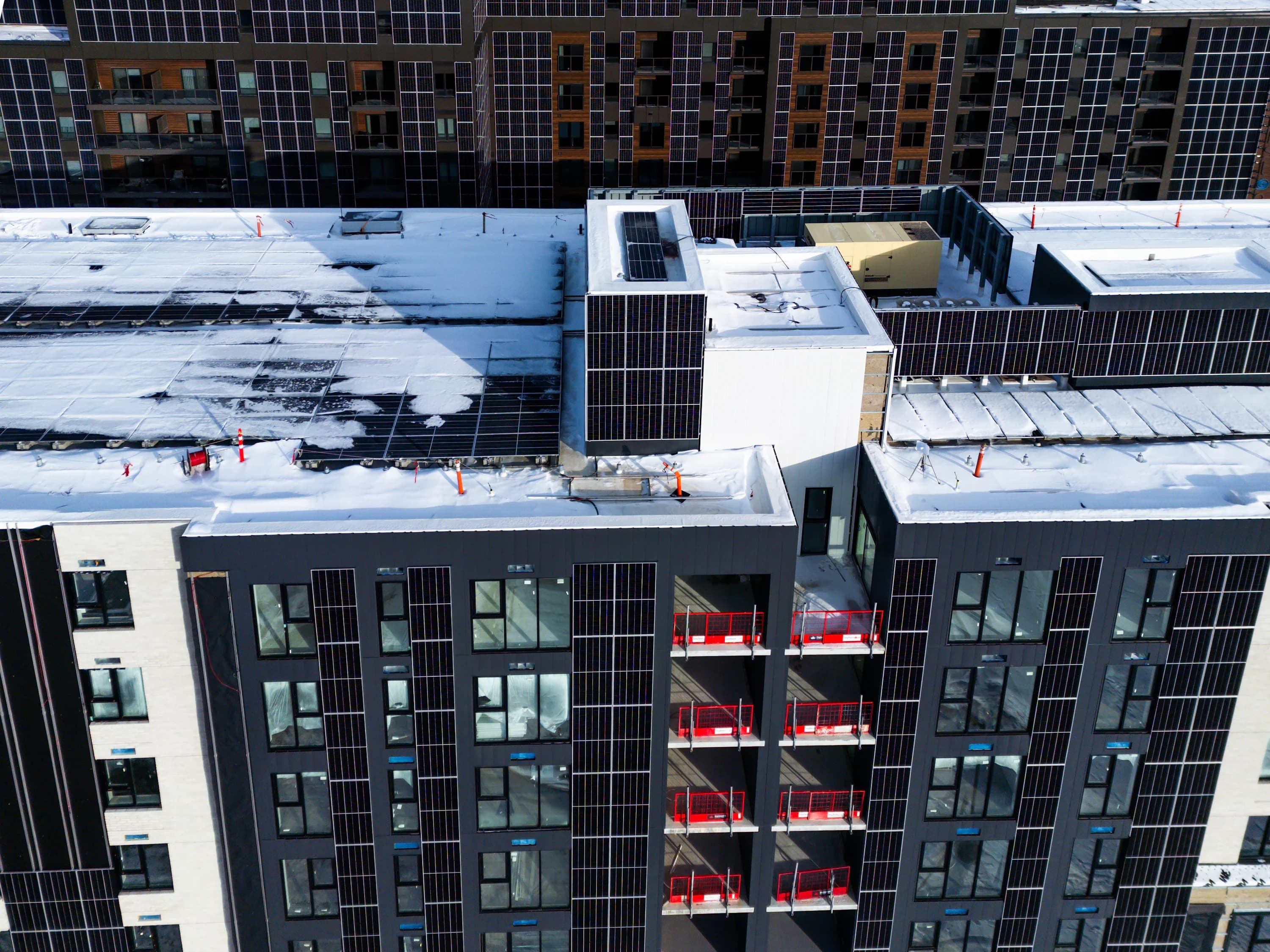
The NSW Solar for Apartment Residents program remains open after funding hundreds of projects supporting thousands of households, including rental apartments. The standard grant can meet a substantial share of eligible project costs, giving owners corporations a current opportunity to assess rooftop solar feasibility, resident support and project economics before the application window closes or available funding is exhausted.
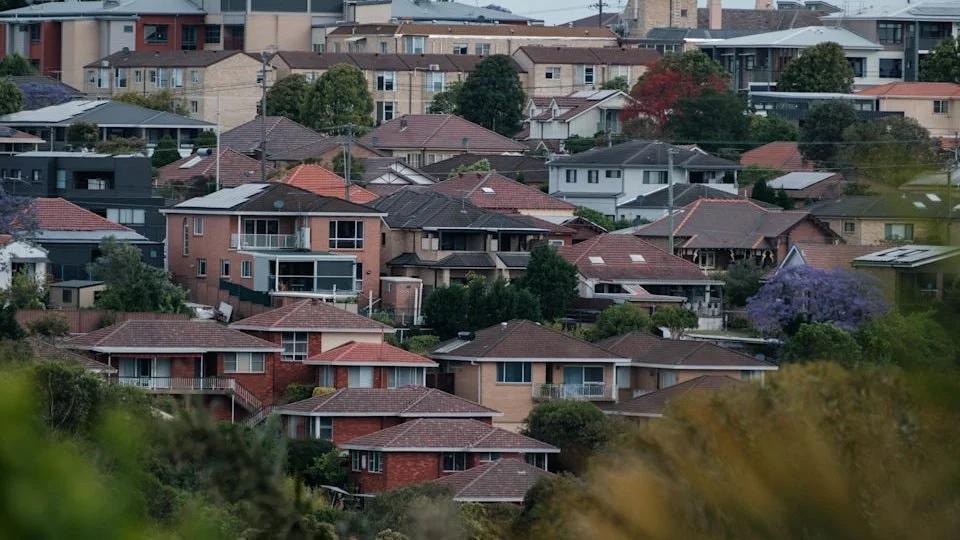
Sydney dwelling values are now 8.6% below their February 2026 peak after a 1.4% fall in September, while national values are 5.2% below their March peak. Cotality says higher interest rates and weaker borrowing capacity are continuing to weigh on buyer demand.
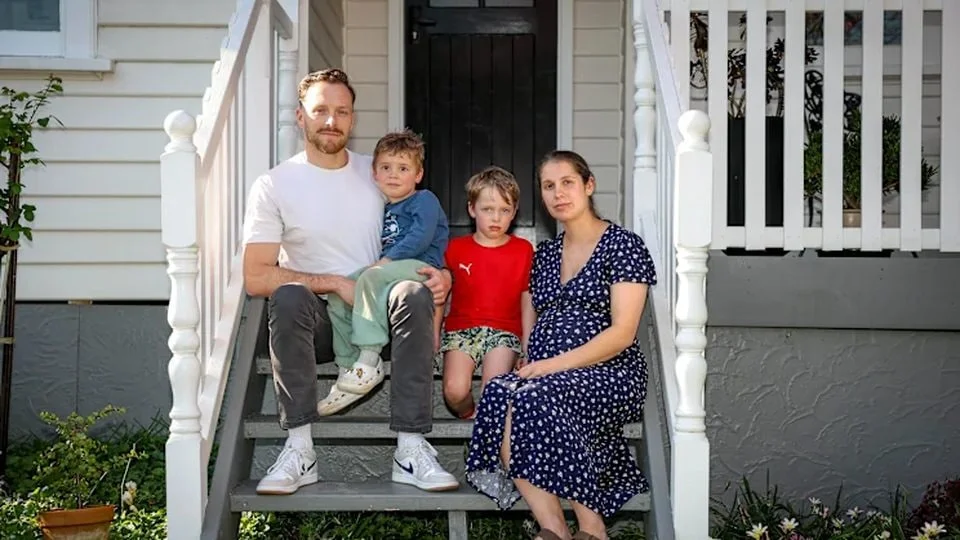
With the cash rate back at 4.6%, the comparison with 2011 highlights how much more exposed households are today. Cotality data cited by The Sydney Morning Herald shows Sydney's median house value was about $598,888 in October 2011, while national housing values have more than doubled as wages rose by roughly 49%.