NSW has introduced new rental reforms aimed at limiting unnecessary collection of renters’ personal information and improving transparency in rental advertising. The changes include stronger privacy protections around rental applications and disclosure requirements where listing images have been materially altered or generated using AI or other digital tools. For landlords and property managers, the practical priority is to ensure application processes collect only appropriate information and that advertising accurately represents the property.
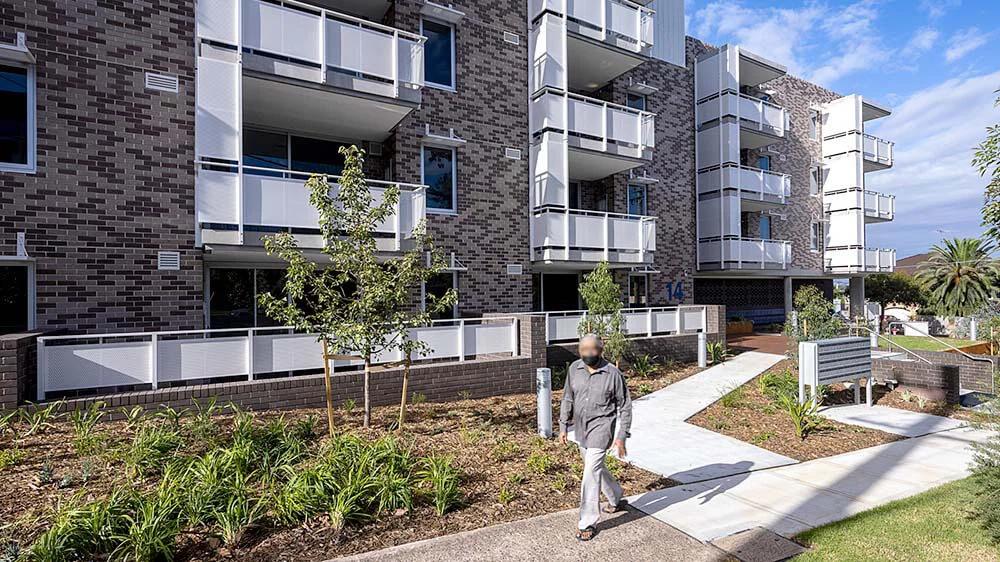
The NSW Government says 5,175 social, affordable, key-worker and restored homes have been delivered under its Building Homes for NSW program at the halfway point of the current investment plan. The update reflects continued public-sector housing delivery across the state as NSW works to expand long-term housing supply. For property owners and investors, the figures provide another measure of where government-backed housing supply is moving from planning and funding into completed homes.
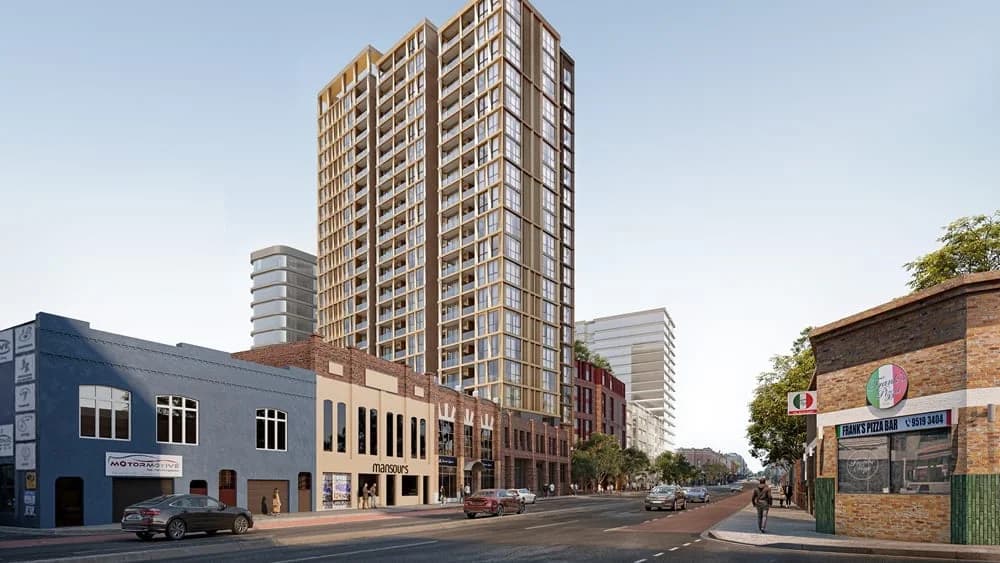
Construction is underway on 220 Build-to-Rent apartments at The Joinery Annandale for health workers, teachers, police officers, firefighters and other essential workers. Landcom says the homes will be offered at discounted market rents, with the NSW Government retaining ownership and an experienced operator handling day-to-day management. Completion is expected in late 2028, weather permitting, with first residents from 2029. For Inner West owners and investors, the project adds a new stream of purpose-built rental supply targeted specifically at essential workers in a tightly held inner-city market.
NSW has expanded Smart Rental Bonds statewide after an initial rollout in Penrith, Parramatta and the Central Coast. Eligible renters moving between NSW properties can transfer an existing bond through Rental Bonds Online instead of funding a second full bond upfront, subject to eligibility rules and a $25 fee. NSW Fair Trading says the process for landlords and agents to lodge and claim bonds does not change, and agreed deductions are still paid to the landlord through the existing process. For property managers, the practical change is mainly supporting eligible tenants through the transfer option while continuing normal Rental Bonds Online procedures.
New analysis from AMP chief economist Shane Oliver estimates capital-city houses are about 38% above a long-run rent-based measure of fair value. Sydney houses are estimated at 41% above that benchmark, while Brisbane is highest at 61%. Oliver cautions the measure is not a forecast that prices will fall by the same amount; rather, it highlights how stretched price-to-rent ratios remain. For Sydney property owners and investors, the figures are a reminder to separate headline valuations from local rental performance, financing costs and the fundamentals of an individual property.
Reserve Bank Governor Michele Bullock says some upside risks to inflation may be materialising as energy prices remain elevated and excess demand persists in the Australian economy. She stressed that the comments were not intended to signal the outcome of the RBA Board’s 29 September meeting. The cash rate is currently 4.35% after three increases this year, while underlying inflation remains above the RBA’s 2–3% target range. For property owners and borrowers, the comments reinforce the need to assess repayments and investment cash flow against current financing conditions rather than assuming near-term rate relief.
Housing tax reforms may affect Australian property investors unevenly, e61 analysis finds
New e61 Institute research uses 920,000 individual housing investments held between 2008 and 2025 to model the effect of Australia’s housing tax reforms. The analysis estimates taxes would rise for about half of historical investments, while capital gains tax would have been lower for most. It also finds highly leveraged investors and investors with close to zero taxable income are more likely to pay more tax. The results highlight that the impact can vary materially with leverage, income, investment performance and holding outcomes, rather than affecting every property investor in the same way.
Sydney-wide rent figures are useful context, but they are not a rental appraisal for an individual Lower North Shore property. Domain’s June-quarter 2026 data, reported by ABC News, showed Sydney house asking rents rising 6.3% over the quarter to $850 per week and unit rents rising 4.0% to $780. Yet the same dataset showed materially different local movements, including an annual fall of about 13% for Artarmon houses and about 6.3% for Northbridge units. That divergence is the point: Lower North Shore landlords should price from the property outward, not from the Sydney headline inward.
For a property in Artarmon, Northbridge, Chatswood, Lane Cove, Willoughby, Neutral Bay, Crows Nest or St Leonards, the useful evidence is recent comparable leased properties of the same type and bedroom count, the competing stock tenants can inspect now, condition and presentation, parking and other features, and the depth of tenant demand at the proposed price. Even neighbouring suburbs — and houses versus apartments within the same suburb — can move differently.
A realistic asking rent is also a vacancy decision. Suppose a property is realistically worth $800 per week. Holding out for $820 and losing one extra week of rent costs $800 in vacancy; the extra $20 per week then takes 40 occupied weeks to recover that loss. Holding out for $830 takes about 26.7 occupied weeks to recover one $800 vacancy week. That does not mean landlords should automatically accept a lower rent. It means the expected uplift should be weighed against days on market, enquiry quality and the probability of securing the higher figure.
What this means for landlords
A Lower North Shore Rental Appraisal should be property-specific and current. Start with genuinely comparable recent leases, then check today’s competing rental stock and how quickly similar homes are moving. Adjust for property type, condition, renovation quality, parking, outdoor space, aspect and other features tenants actually value. Watch enquiry and inspection feedback early: weak response can be evidence that the market is rejecting the asking rent, while strong qualified demand may support holding the price. The objective is not the highest advertised number; it is the strongest sustainable rental outcome after vacancy risk is considered.
For Lower North Shore landlords, active Property Management should review rental pricing as live market evidence changes rather than relying on a broad Sydney statistic or an old appraisal. Owners considering a change of agent can also review when and how to Switch Property Manager.