
Australia's housing crisis reflects long-term supply failures, former Treasury chief says
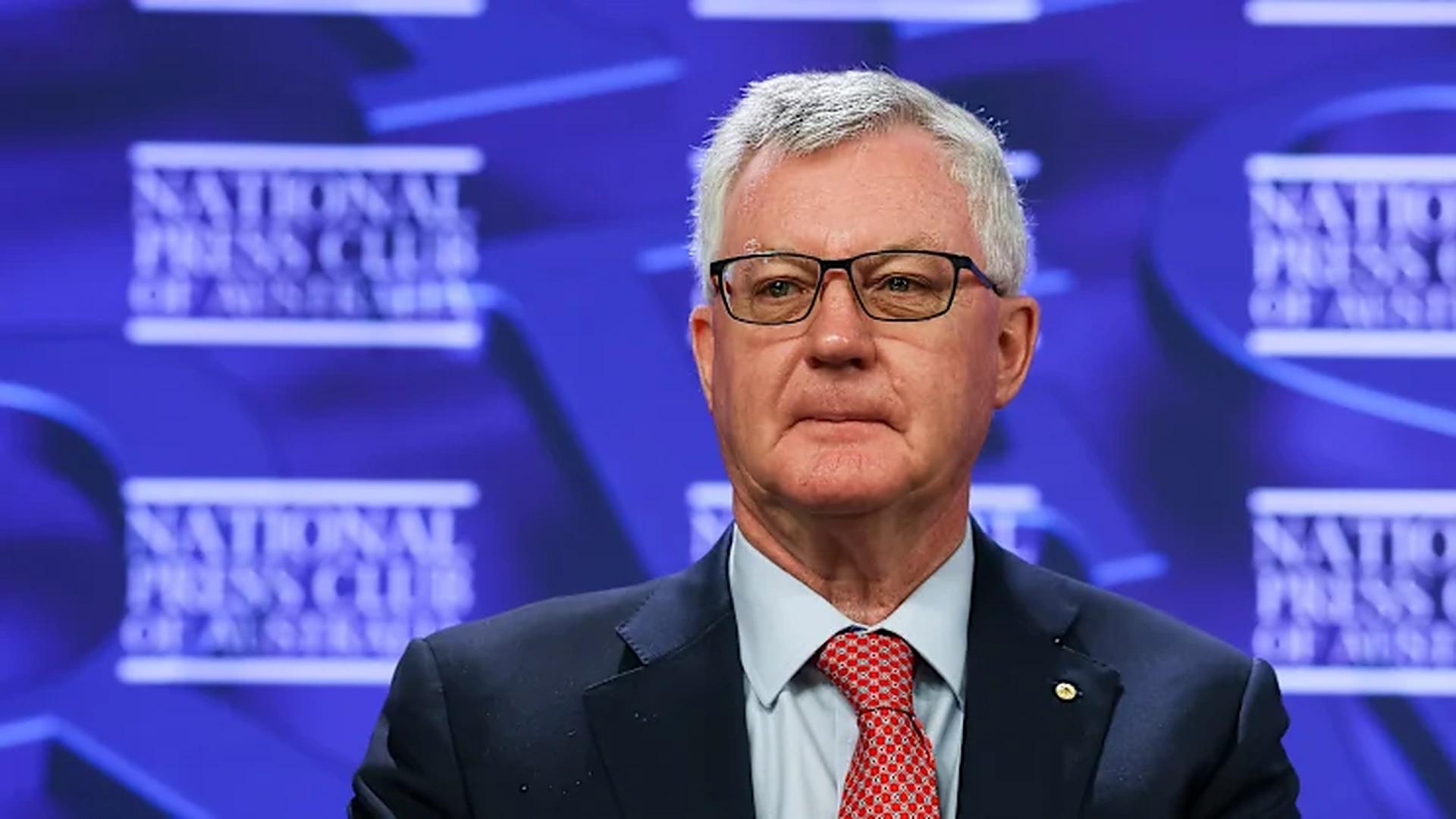
Australia's housing affordability challenges reflect longstanding policy and supply failures rather than migration alone, according to former Treasury secretary and Macquarie University chancellor Martin Parkinson. In remarks prepared for a speech at Macquarie University on 25 November, reported by The Sydney Morning Herald, Parkinson acknowledges that population growth has contributed to housing demand but argues that the underlying problem is Australia's persistent inability to deliver sufficient housing. He identifies several structural challenges: - Insufficient housing construction over more than a decade. - Restrictive planning policies. - Rising construction costs and shortages of skilled tradespeople. - Infrastructure and public services failing to keep pace with population growth. Australia's net overseas migration reached approximately 550,000 in late 2023, coinciding with significant increases in property prices and rents. However, Parkinson argues that reducing migration without addressing underlying supply constraints will not resolve the structural problems facing the housing market. He also supports a national migration summit involving governments, businesses, unions and economists to develop a coordinated, evidence-based long-term strategy. **What this means for Sydney's property market** Slower population growth could ease some pressure on housing demand, particularly in the rental market. However, lasting improvements in housing affordability will also depend on construction activity, planning reform, infrastructure investment and the delivery of new homes. For property owners and investors, local housing supply, vacancy rates and population trends remain important indicators of market conditions. *Source: The Sydney Morning Herald, 24 November 2026, Natassia Chrysanthos and Shane Wright.*