What recession concerns mean for Sydney property owners
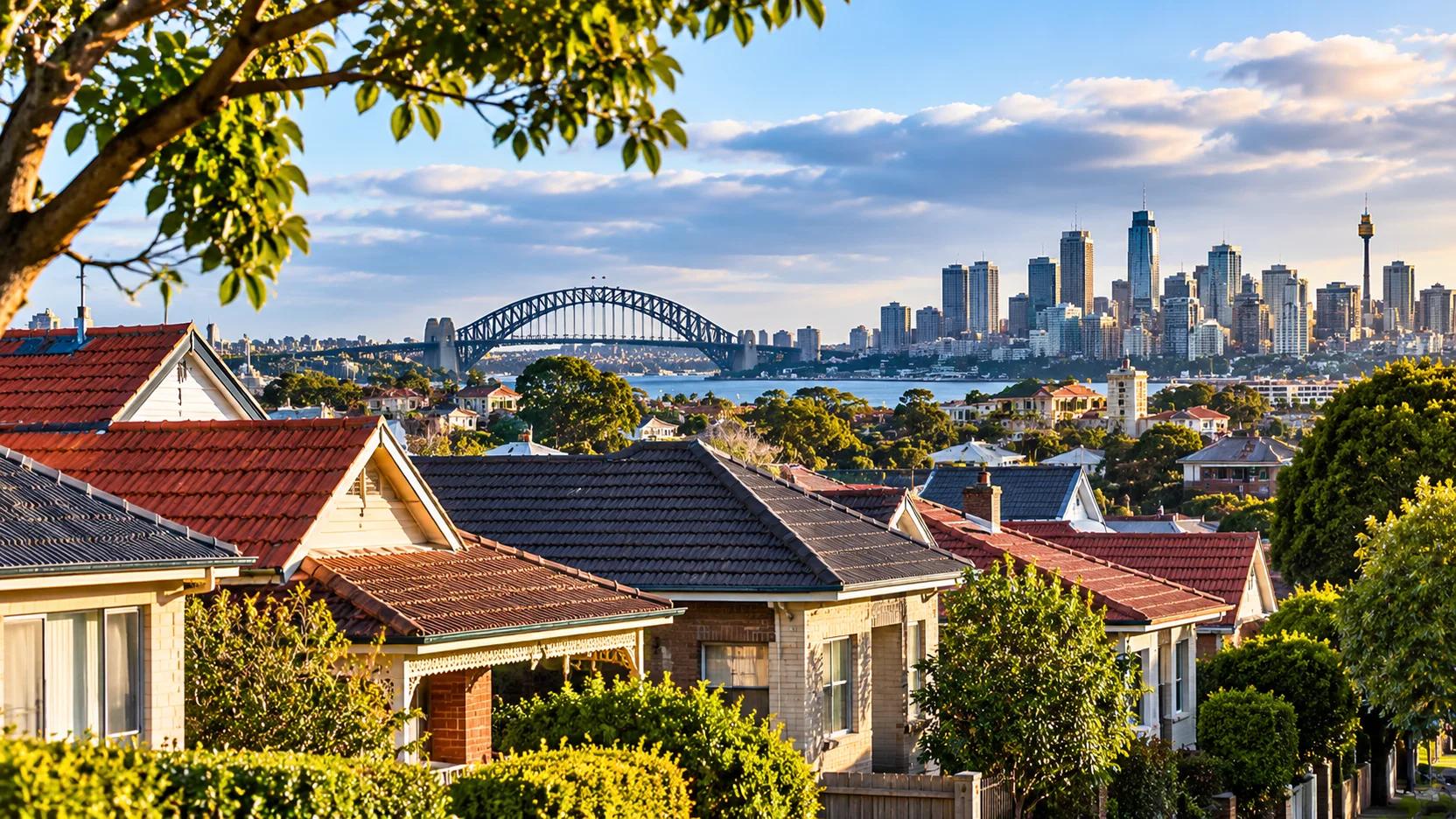
Australia’s economy is slowing, but a slowdown is not automatically a recession. A common rule of thumb is two consecutive quarters of falling real gross domestic product; economists also look at the breadth and persistence of weakness, including jobs and household incomes. In his 6 November 2026 explainer, journalist Shane Wright examines why the distinction matters as interest rates rise. On 3 November 2026, the Reserve Bank lifted the cash rate target to 4.85% to address inflation. The Australian Bureau of Statistics reported a 4.7% unemployment rate in September 2026. The RBA expects the labour market to ease further and forecasts unemployment at 5.1% by the end of 2028; that is a projection, not a current reading. The RBA expects economic growth to remain subdued, supported in part by public demand and data-centre investment. Treasurer Jim Chalmers said neither Treasury nor the RBA was anticipating the economy to contract. That is the current outlook, not a guarantee: weaker employment, confidence or external shocks could lead to a different outcome. For Sydney households, higher interest rates can increase repayments where lenders pass them on, and a softer labour market can make borrowers and buyers more cautious. This may affect borrowing capacity and housing demand, but neither a recession nor a particular property-price outcome is certain. Owners can review loan terms and cash-flow buffers; investors can explore Sydney property management when considering their longer-term plans.