Australia’s housing correction is increasingly split by price point. Cotality says Sydney’s upper-quartile dwelling values are now 10.7% below their peak, while Melbourne’s are down 10.5%. In Sydney, the gap between the cumulative decline in high- and low-priced homes has widened to 5.3 percentage points, with more affordable stock proving comparatively resilient. For owners and buyers, the data suggests premium property remains more exposed to weaker borrowing capacity and sentiment, while affordability is supporting demand further down the price spectrum.
SQM Research data for August shows 38,293 residential properties listed for sale in Sydney. Although total Sydney listings eased 2.8% over the month, they remained 13.3% higher than a year earlier, giving buyers more choice heading into spring. Nationally, listings were 12.8% above August 2025 and distressed listings rose 10.0% year-on-year to 4,510. The national distress figure remains relatively contained, but the combination of more available stock and subdued asking-price growth will be an important test of vendor expectations and buyer demand this spring.
Sydney asking rents eased during August even as rental availability remained constrained. My Housing Market data reported by Property Update put median weekly asking rents at $873 for houses, down 0.3% over the month but still 9.1% higher year-on-year, with a 1.4% vacancy rate. Units averaged $835 per week, down 1.8% for the month but up 11.3% annually, with vacancies at 1.6%. For landlords and tenants, the combination suggests the August rent dip may reflect short-term seasonal movement rather than a broad easing in rental supply.
Reserve Bank Deputy Governor Andrew Hauser says inflation remains Australia's key economic problem even as growth is around trend, unemployment is near historic lows and household incomes are improving. The RBA has already raised rates three times this year, and Hauser said another increase remains under consideration rather than inevitable. For Sydney owners, buyers and investors, the message is that borrowing costs may stay higher for longer and mortgage-serviceability assumptions should remain conservative.
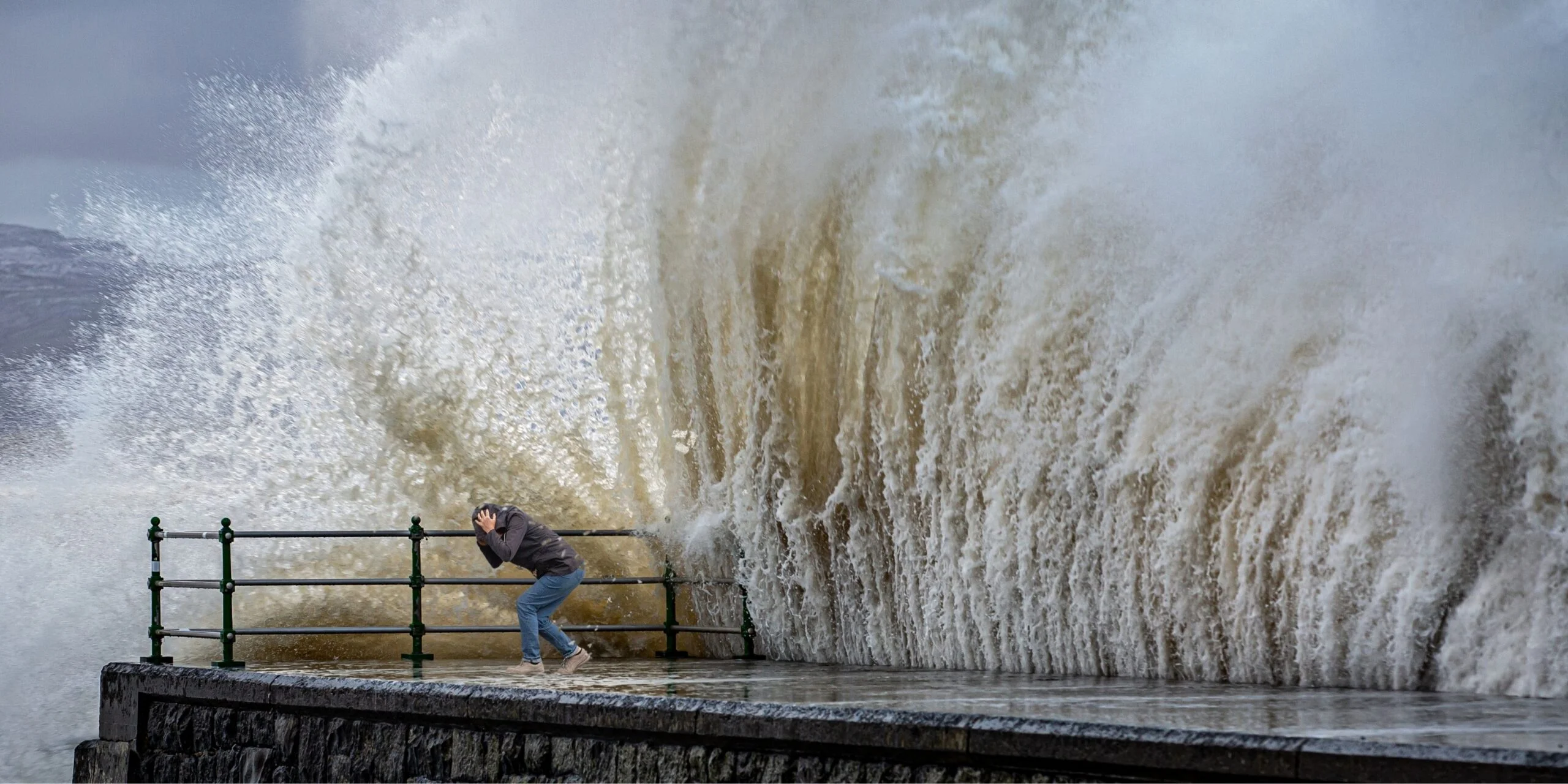
A new Climate Council report based on University of Melbourne research estimates that sea-level rise and coastal flooding could damage about 267,000 properties and two million hectares of land across Australia this century, with total economic losses of about $855.1 billion under the report's conservative scenario. New South Wales is estimated to face about $150.7 billion in losses. For coastal owners and buyers, the findings reinforce the importance of checking flood, coastal-hazard, insurance and long-term resilience information before making property decisions.
NSW Planning's updated faster-housing dashboard shows 106 approved State Significant Development housing applications covering 22,950 dwellings, including 5,596 affordable homes, as at 31 August 2026. The Department's target is to complete applicable SSD housing assessments within an average of 275 end-to-end days, including an average target of 90 government days. For owners, developers and investors, the program is intended to shorten assessment timelines and improve certainty around larger housing projects.
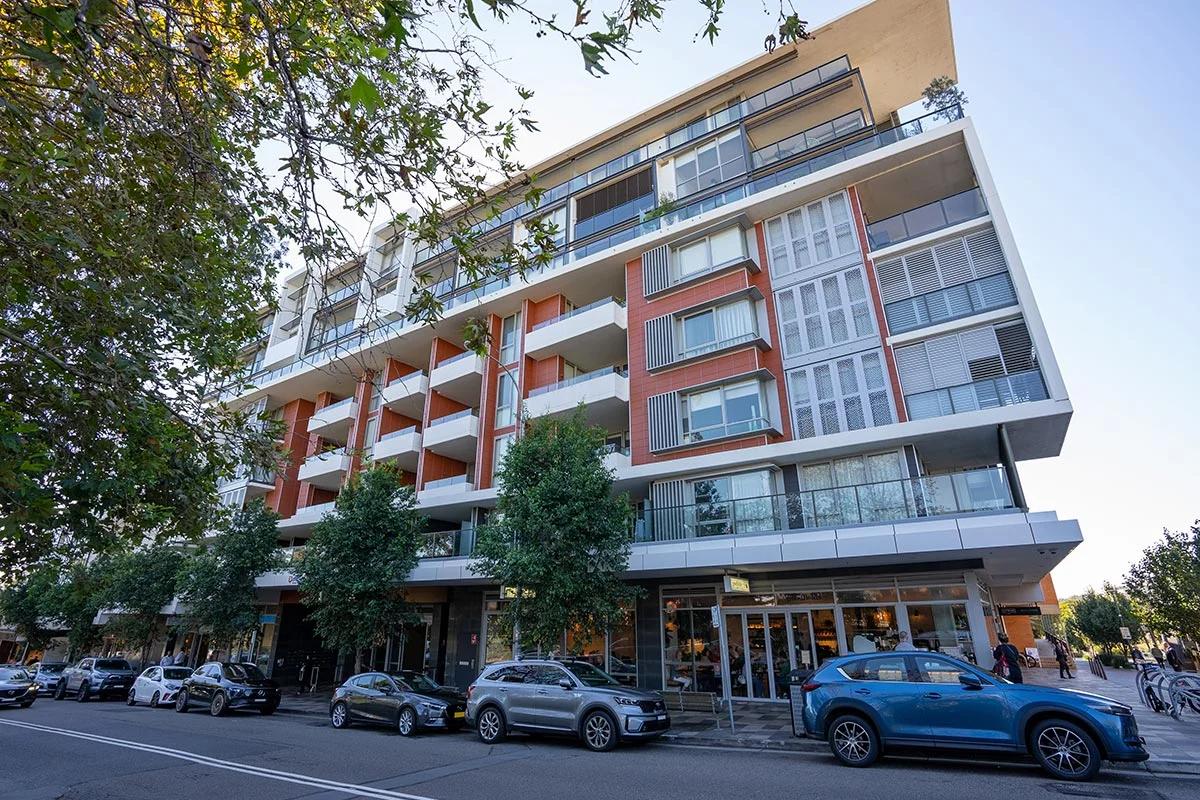
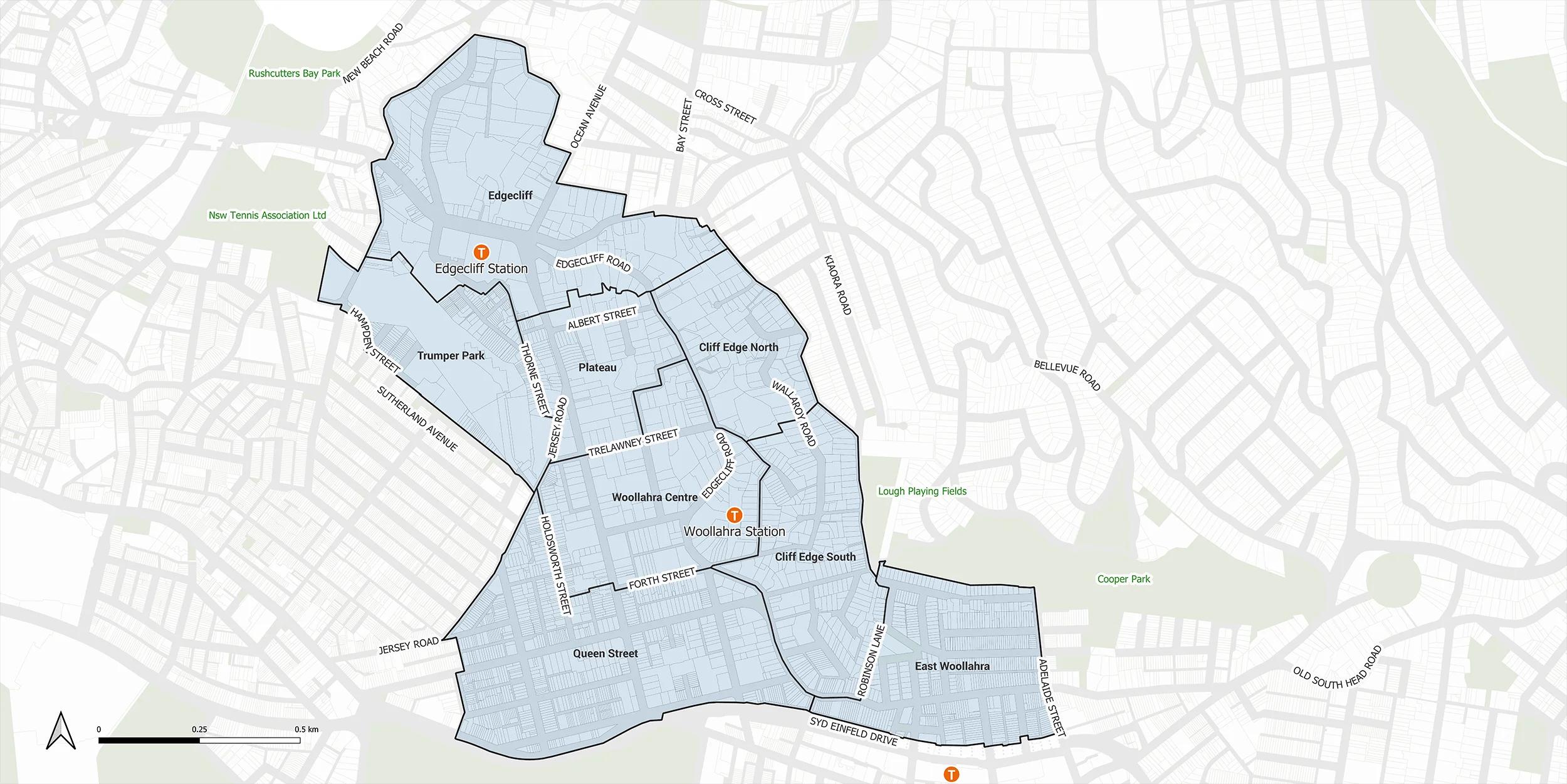
The NSW Government has placed the draft Edgecliff–Woollahra precinct rezoning on public exhibition, proposing approximately 9,400 new homes around the existing Edgecliff Station and future Woollahra Station. The plan allows buildings of up to 34 storeys near Edgecliff and 32 storeys near Woollahra, includes an affordable-housing contribution starting at 3% and rising to 15% on certain sites, and proposes about 3.5 hectares of new or upgraded open space plus up to 9 km of walking and cycling links. Feedback is open until 5 pm on 7 October 2026, with finalisation expected in 2027. For eastern-suburbs owners and buyers, the proposal could materially reshape long-term housing supply, density, amenity and development potential.
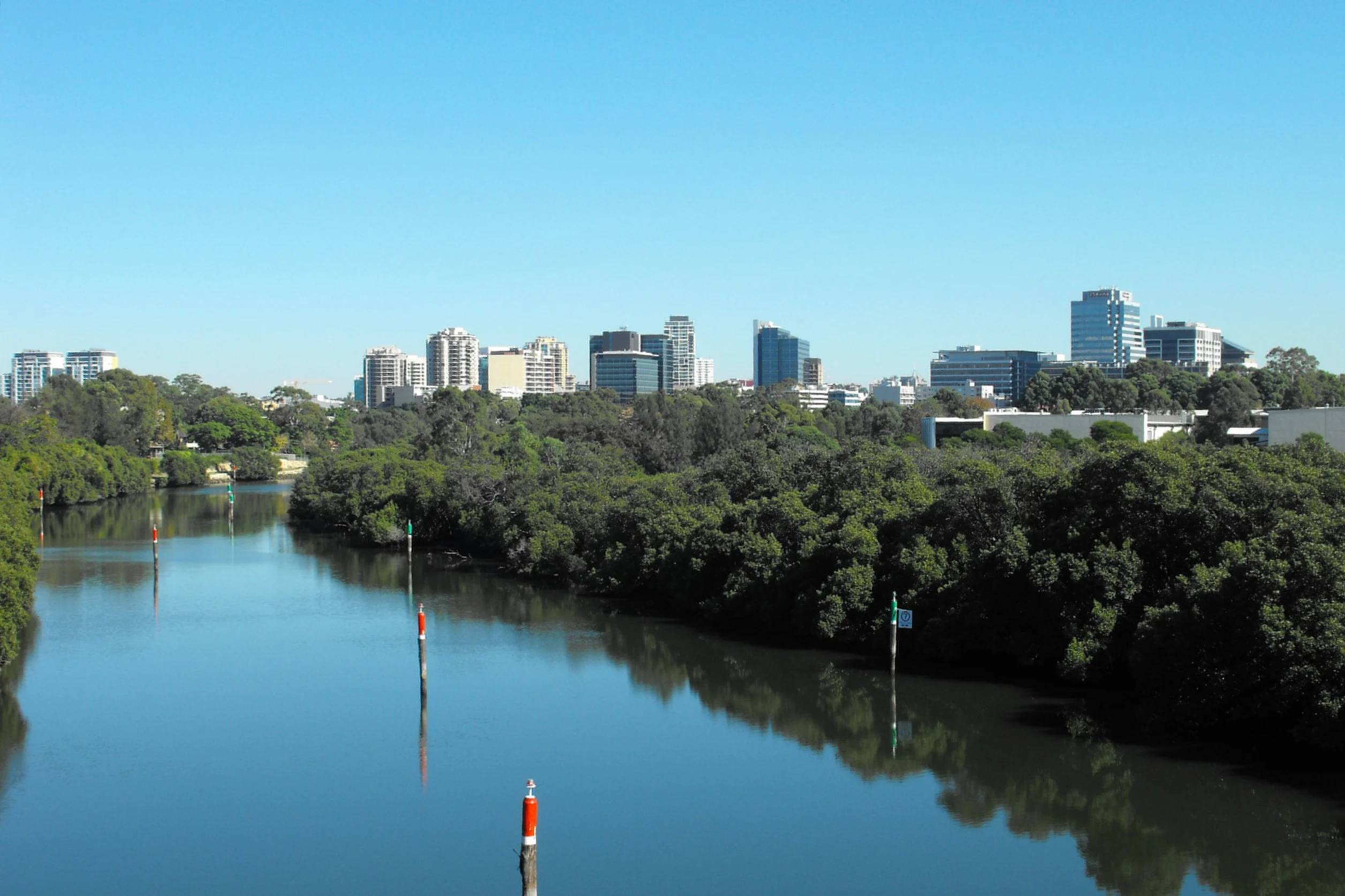
The NSW Government says the consortium contracted to build Parramatta Metro station and its integrated precinct will deliver 470 build-to-rent apartments and 500 student accommodation units. The $880 million station and precinct contract covers four planned buildings: a 43-storey build-to-rent tower, a 29-storey commercial tower, a 24-storey student-accommodation building and an eight-storey hotel. The revised plans lift the residential and student total from 111 dwellings in the earlier concept to 970 units. For Parramatta owners and investors, the project adds substantial housing and accommodation supply directly beside major new transport infrastructure.