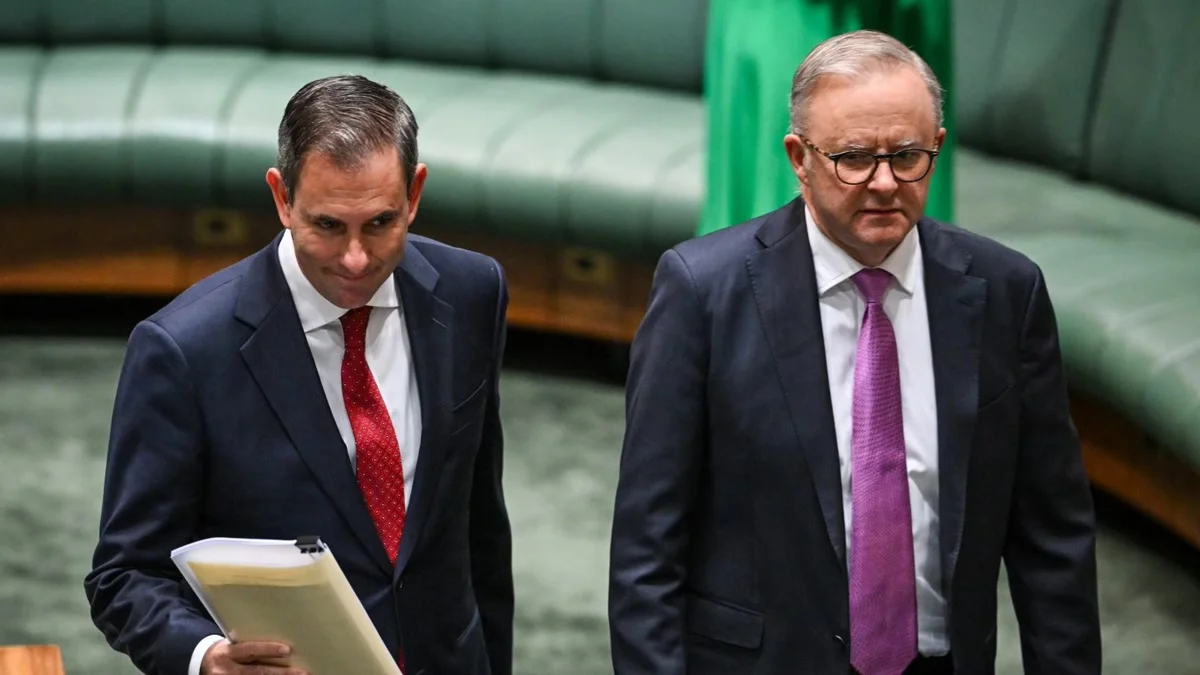
Independent MP for Bradfield Nicolette Boele is introducing a bill seeking a nationally consistent definition of affordable housing tied to household income. The proposal follows federal acknowledgement that definitions vary across states and programs, with Treasury examining options for greater consistency.
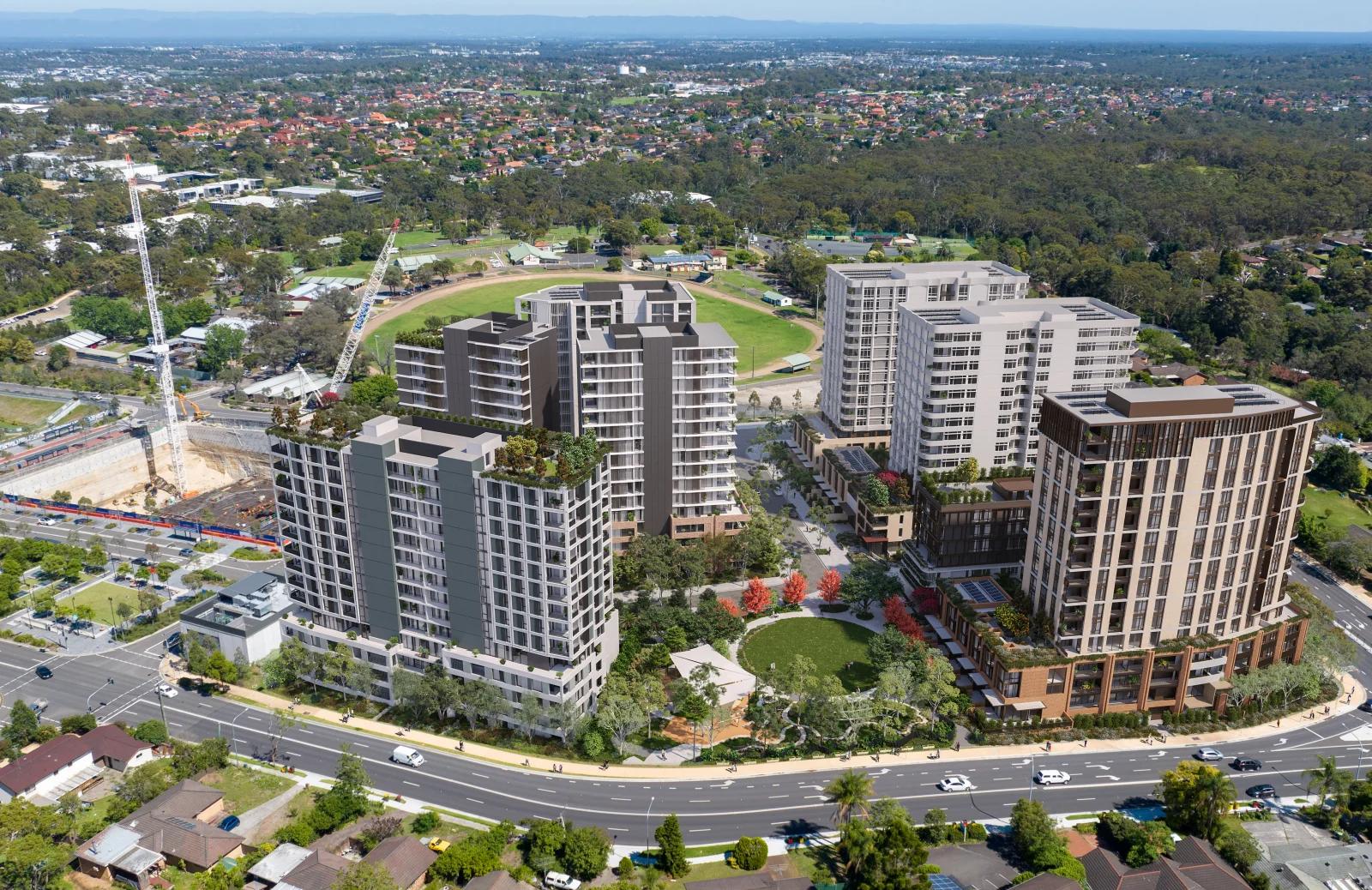
Castle Hill affordable housing project advances with seven residential buildings
A State Significant Development proposal at Pennant Way, Castle Hill is at the Prepare EIS stage. The project proposes seven residential flat buildings with a mix of social and market dwellings, plus open space, landscaping, a through-site link and car parking.
Sydney’s spring market standoff as rate fears loom
Sydney’s spring selling season is opening against renewed interest-rate uncertainty, while buyer demand is concentrating in relatively affordable pockets of the city. The shift highlights how borrowing costs and affordability are continuing to shape enquiry and buyer behaviour.
Investor exodus drains rental pool as negative gearing and CGT reforms take hold
PIPA’s 2026 Investor Sentiment Survey found 18.3% of respondents sold at least one property in the year to August, 51.6% of those sellers sold at least one dwelling to an owner-occupier, and 62.3% of investors reported negative cash flow. PIPA says the trend is reducing long-term rental supply.
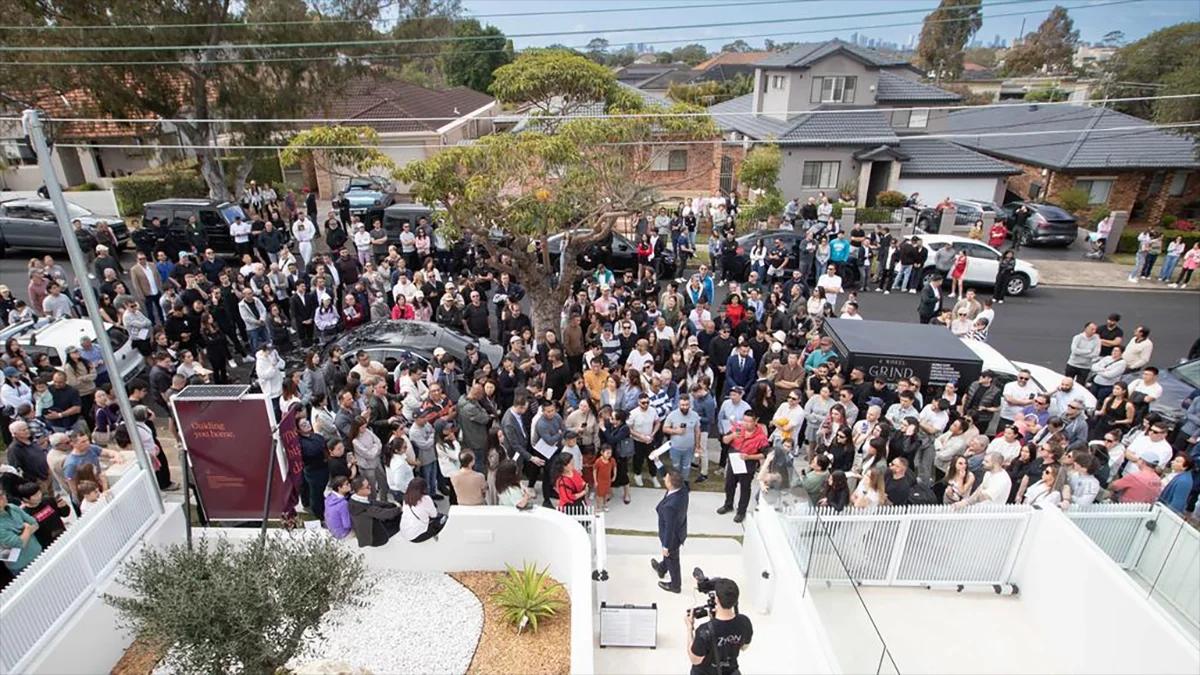
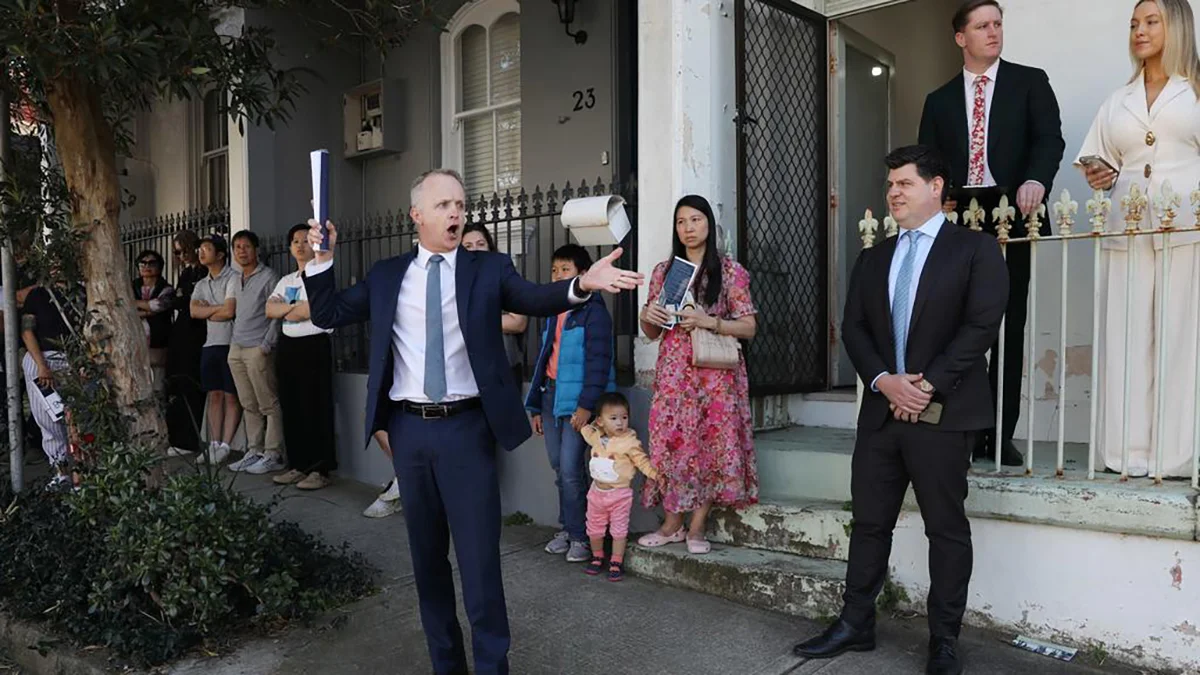
Sydney auction clearance rate revised to 52% for 12 September
Domain’s later-reported Sydney auction results for the week ending 12 September 2026 show 707 auctions scheduled and 523 results reported. 274 properties sold, 115 were withdrawn and 134 passed in, producing a 52% clearance rate, compared with 71% at the same time last year. Reported sales totalled $269,520,764, with a median sale price of $1,617,500. Domain last updated this historical weekly page on 18 September 2026 and describes the results as preliminary and current at the time of publication.
Australia’s residential property market contracted in the June quarter, with ABS figures reported by realestate.com.au showing the total value of dwellings fell by $34.1 billion to $12.68 trillion. NSW recorded the sharpest state-level fall in dwelling prices, down 2.4% over the quarter, equivalent to roughly $32,700 per dwelling. The figures underline how higher borrowing costs and weaker market conditions are weighing more heavily on NSW housing than on most other states.
Industry-commissioned modelling reported by The Australian estimates that federal budget housing and investment changes could result in 10,700 fewer homes being built by 2029–30 and around 4,700 fewer construction jobs. About 2,000 of the projected dwelling reduction was attributed to proposed restrictions affecting SMSF property investment. The modelling also forecasts additional upward pressure on rents, although Treasury has published a materially smaller estimate of the rental impact. The figures are projections rather than realised outcomes, but they add to debate over whether current policy settings will help or hinder housing supply.
The Australian has highlighted a broader cash-flow squeeze on mortgaged households as housing costs remain high and labour-market conditions soften. Citing Roy Morgan data, the report says full-time employment fell to 9.093 million in July 2026 from 9.321 million in January, while 20.4% of the workforce was estimated to be unemployed or underemployed. With mortgage repayments and essential household costs elevated, weaker income security can reduce borrowers’ capacity to absorb further financial shocks. The article also repeats July mortgage-stress figures that YAY Real Estate covered separately on 7 September, so this update focuses on the employment and household-cash-flow dimension rather than republishing the same stress statistic.