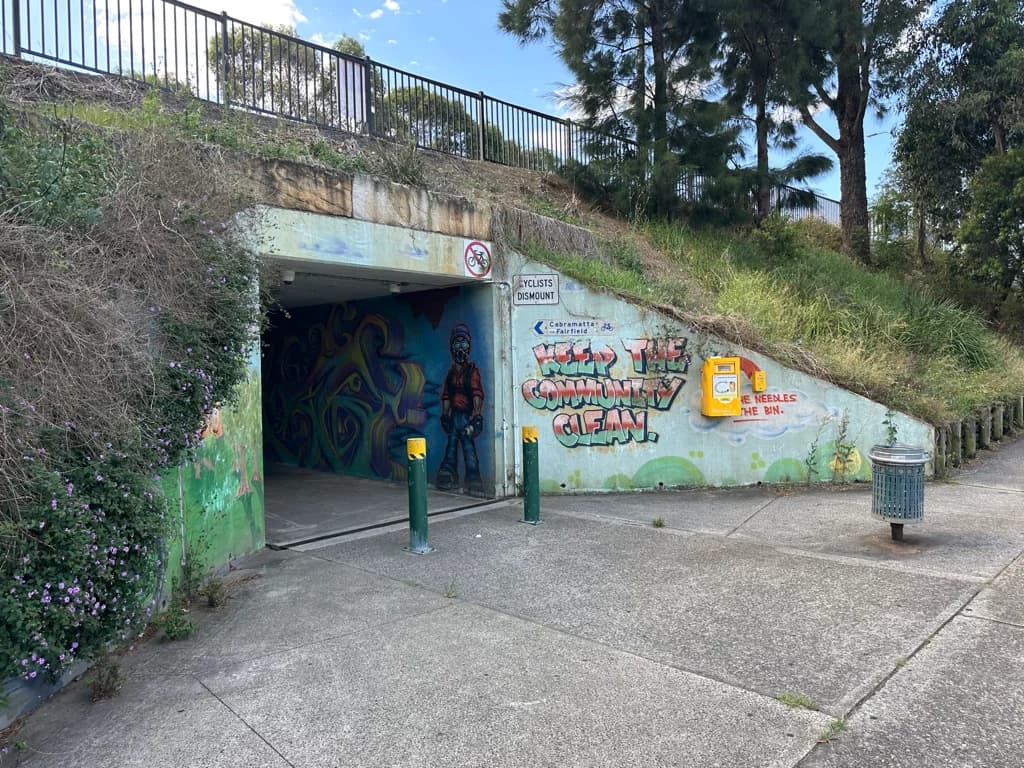
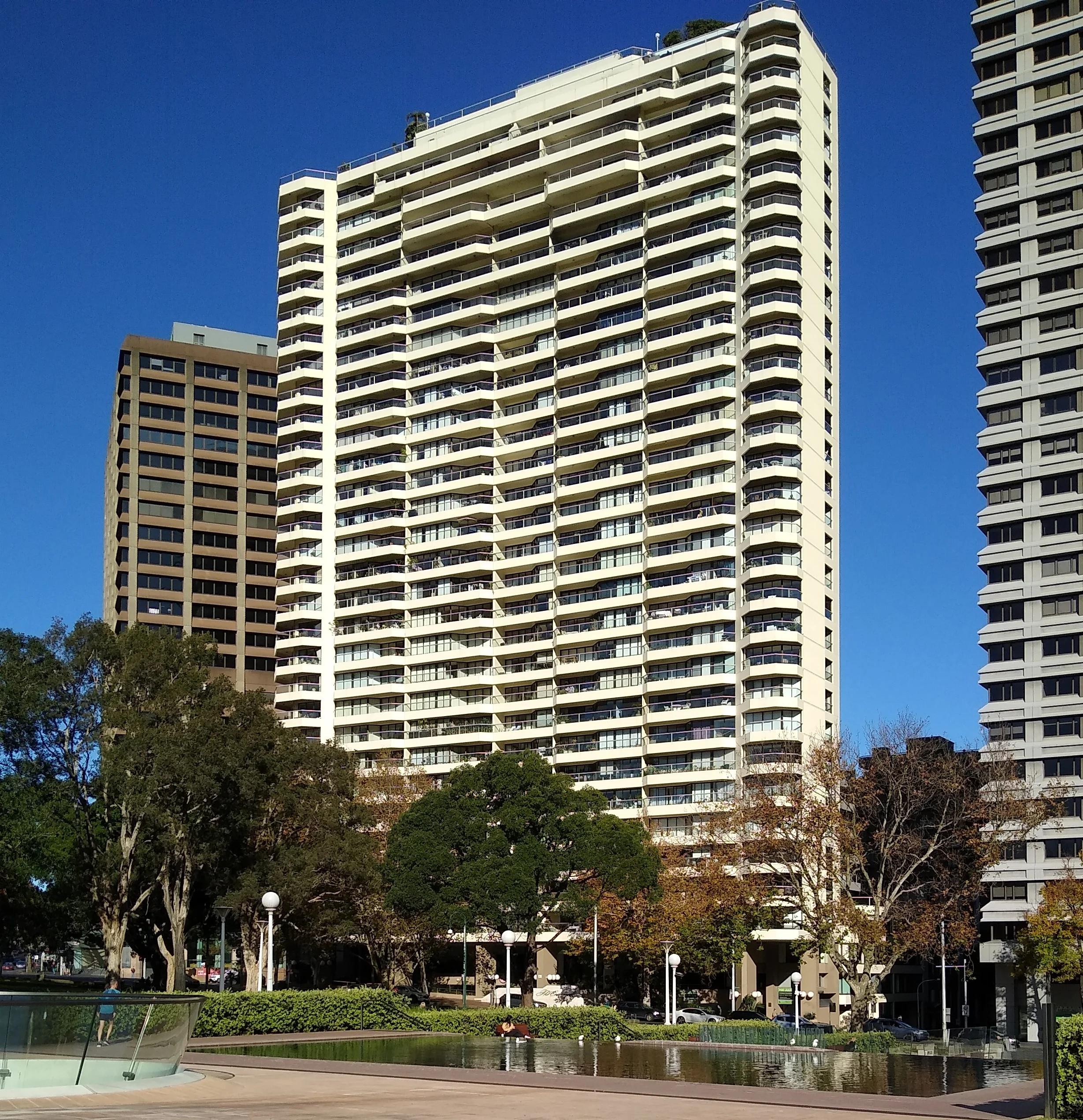
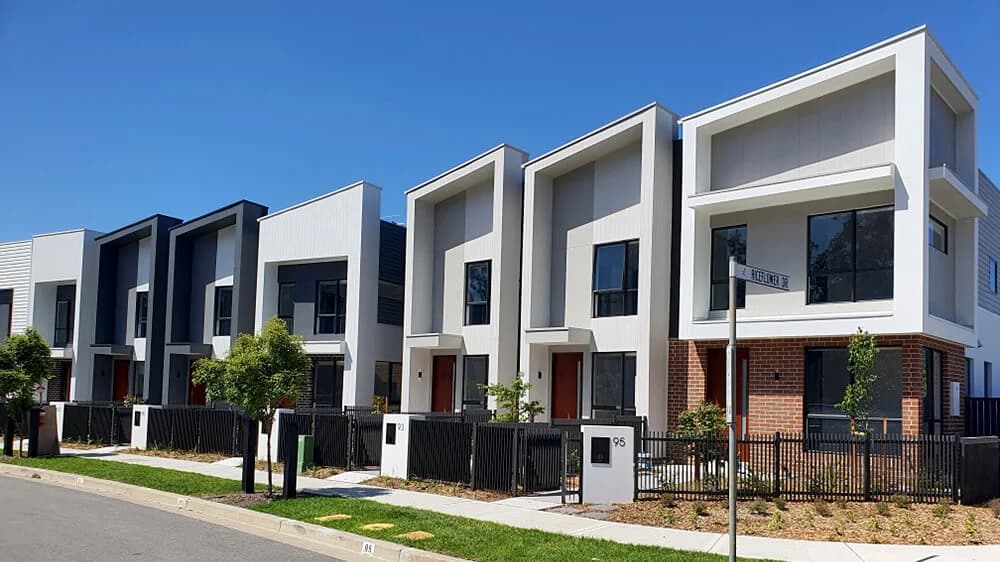
The NSW Government has finalised planning controls for the Mannix Parade Precinct in Warwick Farm, enabling around 545 new homes within about 400 metres of Warwick Farm Station. At least 30% of the homes are intended to be social and affordable housing, while the final plan increases public open space and provides new walking and cycling connections. The final precinct is about 3.2 hectares, with the housing yield reduced from 670 homes after consultation. For owners and investors in Liverpool and South West Sydney, the rezoning adds a defined medium-term housing pipeline close to established transport, health, education and employment infrastructure.
ANZ now expects the Reserve Bank of Australia to raise the cash rate by 25 basis points in September and again by 25 basis points in November. The revised call follows elevated inflation expectations, higher oil and petrol prices and renewed concern that inflation may remain persistent. ANZ’s latest consumer-confidence release shows confidence fell 1.9 points to 72.0, while weekly inflation expectations rose to 6.1%. For Sydney mortgage holders, buyers and investors, the practical implication is that borrowing costs could rise further over the next two RBA meetings, making current-rate serviceability and cash-flow buffers especially important.
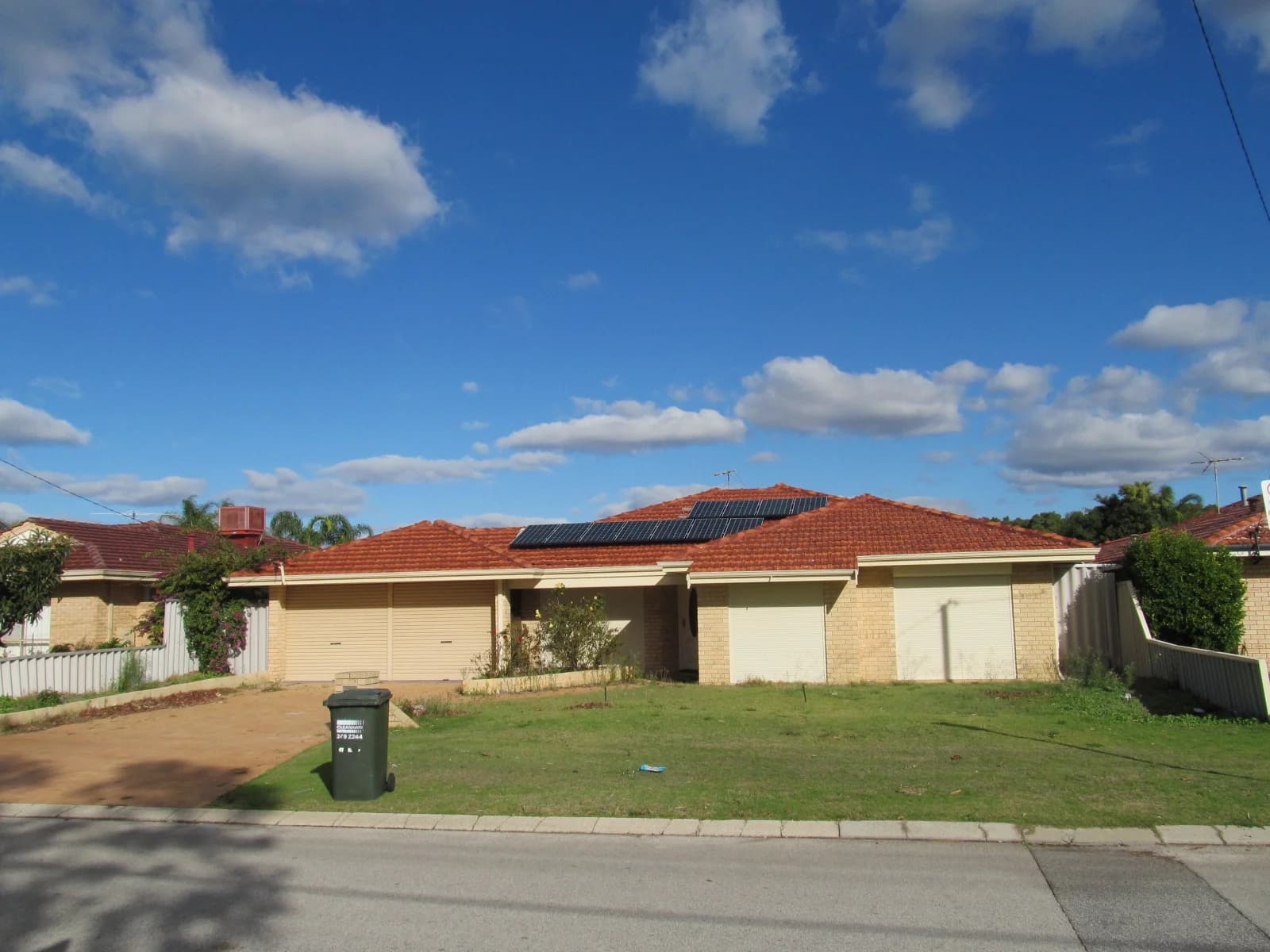
The NSW Government is consulting on a mandatory product-stewardship scheme for solar panels, which would make brand owners responsible for end-of-life collection, recycling and resource recovery. NSW now has more than 1.18 million rooftop solar systems, while solar-panel waste is estimated at about 14,000 tonnes a year and is projected to reach 89,000 tonnes by 2045. For homeowners and landlords with rooftop solar, the proposal is relevant to the future disposal and replacement pathway for ageing systems, although the final design and timing will depend on the consultation and regulation process.
The Australian Treasury’s 2026 Intergenerational Report, released on 21 September, identifies housing as a central part of growing intergenerational inequality. The report looks ahead to 2065–66 and places housing alongside slower population growth, ageing, productivity and major economic transitions as issues that will shape living standards over coming decades. For Sydney buyers, owners and investors, the key takeaway is that housing affordability and access to home ownership will remain a major long-term policy focus rather than a short-term market issue.
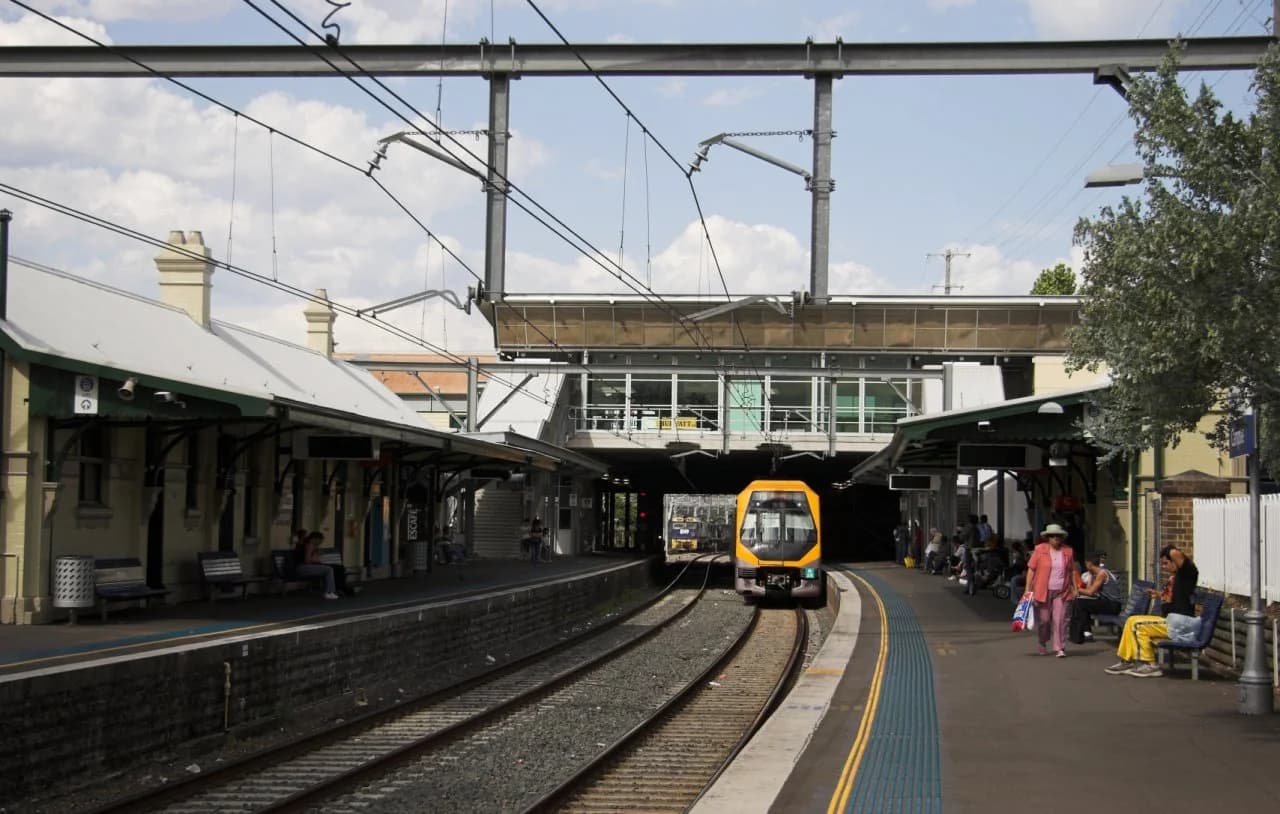
The NSW Government says upgrades to all ten stations between Sydenham and Bankstown are now complete, moving Southwest Metro into its final operational-readiness phase. More than 6,150 of the required 9,000 testing hours and about 24,750 of 30,000 kilometres had been completed when the update was released. The upgraded corridor will bring faster and more frequent services, including a planned 28-minute Bankstown-to-Central trip. For owners and buyers along the corridor, the milestone improves visibility on a major transport upgrade that could reshape accessibility and local demand once passenger services open.
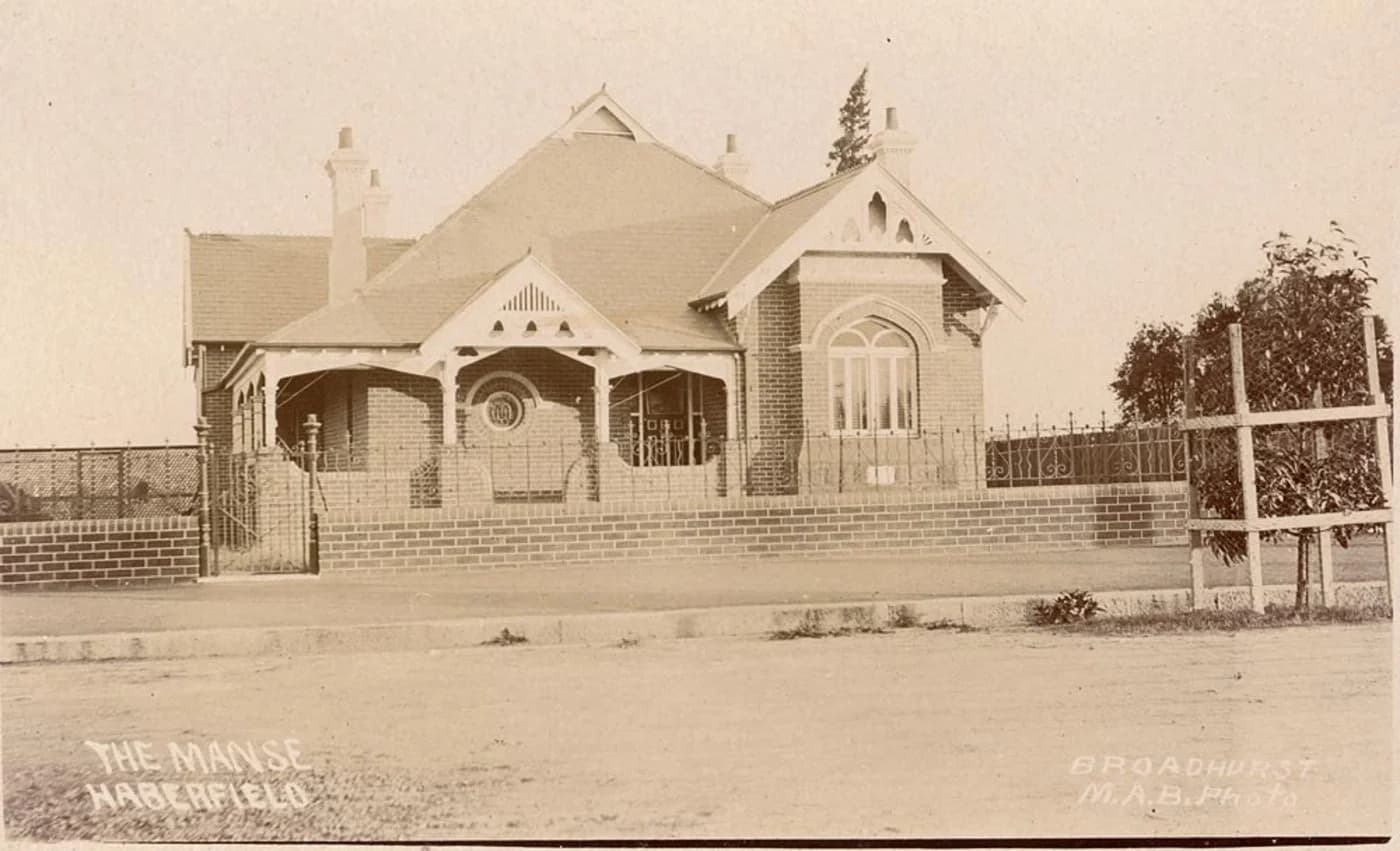
Homes NSW is progressing a proposal for around 340 new homes across four residential buildings on former government land in Haberfield and Ashfield, with 30% planned as social housing. Community feedback remains open until 5pm on 28 September, with a drop-in session at Haberfield Centre on 22 September from 4:45pm to 7pm before a State Significant Development Application is lodged. For Inner West owners and buyers, the proposal is a useful signal of how surplus government land and higher-density housing are being used to add supply around established suburbs and transport links.
Sydney asking rents reach $912.52 a week as annual growth holds above 5%
SQM Research's latest weekly asking-rent data shows Sydney combined asking rents at about $912.52 a week for the week ending 20 September 2026, 5.2% higher than a year earlier. House asking rents were about $1,142.71 a week, up 5.3% annually, while unit asking rents were about $755.32, up 5.1%. For landlords, city-wide asking rents are a useful market signal, but individual rent reviews should still be based on current comparable properties, the dwelling's condition and NSW tenancy requirements. A proactive property manager can help assess the market evidence and manage rent reviews appropriately.
NSW’s Low and Mid-Rise Housing Policy is designed to expand housing choice between detached homes and high-rise apartments. The policy applies in eligible residential areas within an 800-metre walk of nominated town centres and transport hubs, with 171 centres and stations selected across metropolitan Sydney and other nominated NSW regions. NSW Planning says the policy is expected to support up to 112,000 homes over five years. For owners, the practical takeaway is that development potential can vary materially by zoning, walking distance and site constraints, so individual sites still need to be checked against the legislation.