Sydney house prices are falling. After years of seemingly unstoppable growth, that sounds like good news — particularly for younger Australians who have spent much of their working lives watching home ownership move further out of reach.
But here's the question: does a cheaper house actually mean a young buyer can afford to buy it?
Not necessarily.
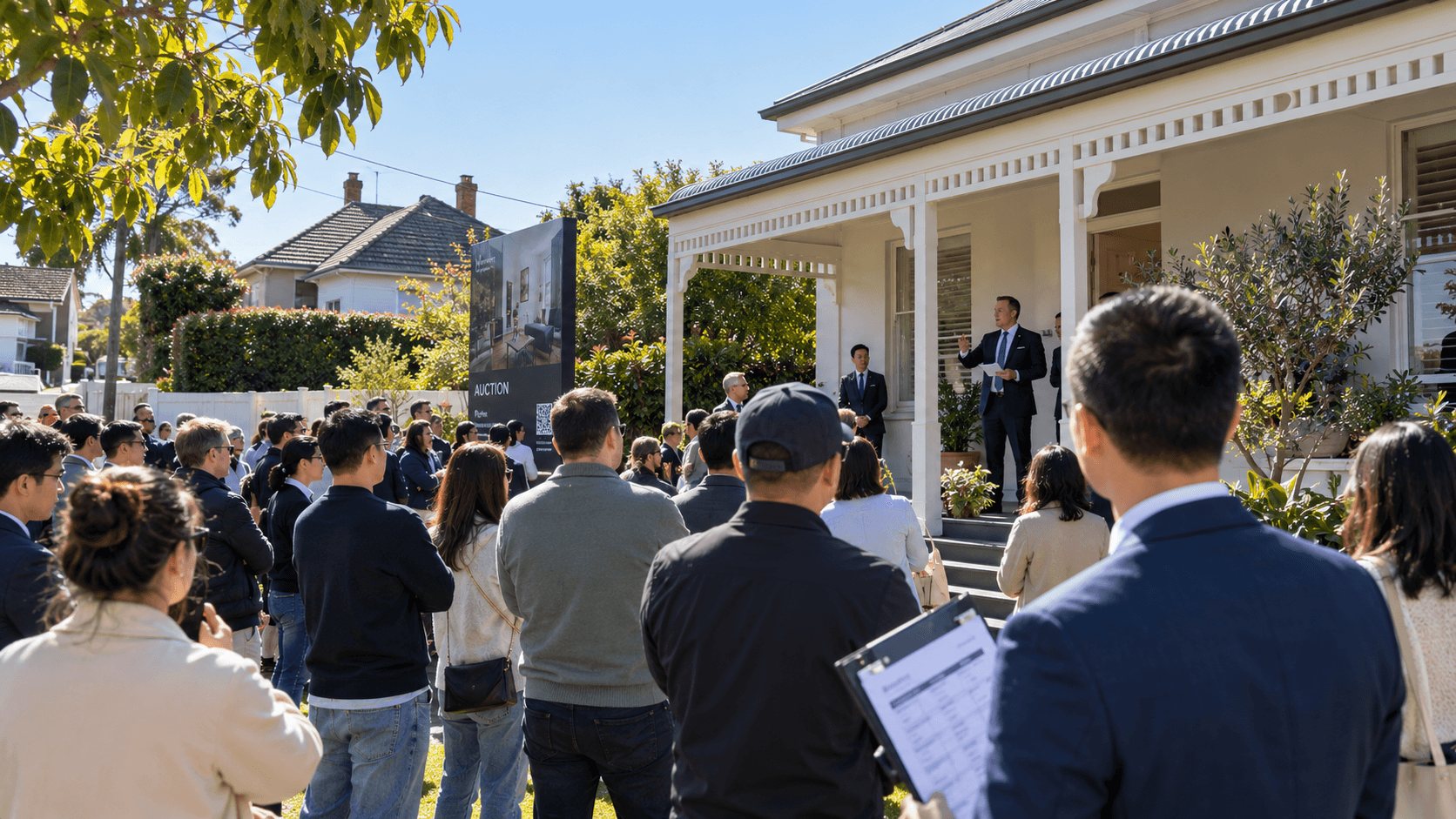
Recent reporting by The Sydney Morning Herald, drawing on Domain's housing data, highlights the uncomfortable reality behind Sydney's latest property downturn. Prices have retreated from their peak, particularly in some of the city's more expensive suburbs. Yet the fundamental barriers facing first-home buyers haven't disappeared.
The price has dropped. The mortgage hasn't become easier.
Imagine a young couple who have spent years saving for their first home while paying rent. Last year, a property they liked was beyond their budget. Today, the asking price is lower. Surely they are in a better position?
Not if their borrowing capacity has fallen at the same time.
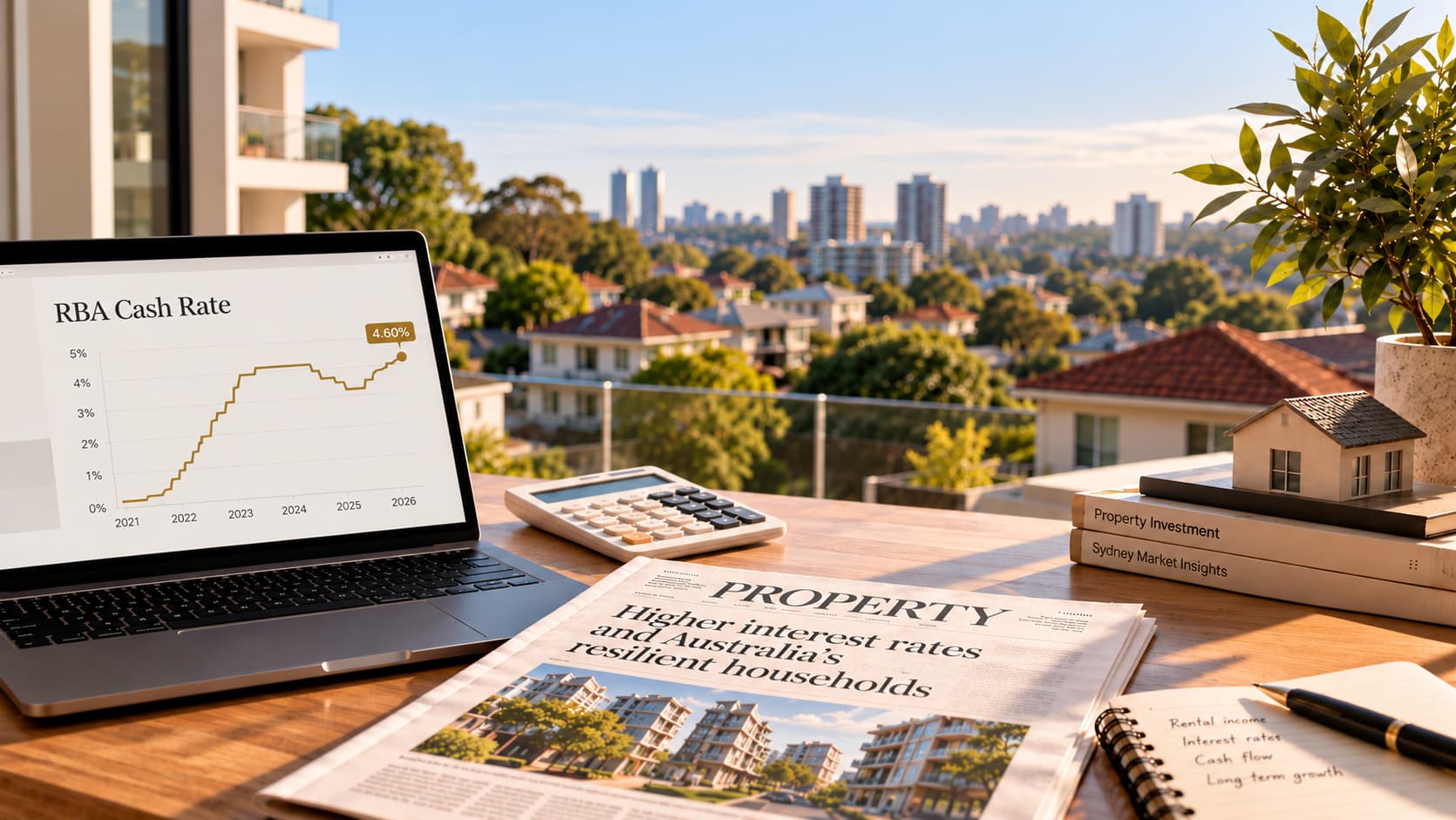
Higher interest rates don't just increase monthly repayments. They also affect how much a bank is prepared to lend. Add living expenses, rent and the difficulty of saving a deposit, and a lower purchase price may offer surprisingly little relief.
Consider a simple example. A $1.5 million home falls 10% to $1.35 million. That's a $150,000 reduction. But with a 20% deposit, the buyer still needs a $1.08 million mortgage. At an illustrative 6.5% interest rate over 30 years, principal-and-interest repayments would be around $6,830 per month, before council rates, insurance and maintenance.
A house can become cheaper without becoming affordable.
Are the homes getting cheaper actually the homes young people can buy?
Sydney is not one uniform property market. Price corrections in premium suburbs can pull down headline median figures. But a $3 million house falling to $2.7 million does very little for a first-home buyer whose budget is $800,000.
For a young buyer looking around Ryde or Macquarie Park, the real question isn't how far Sydney's overall median has fallen. It's whether suitable apartments and townhouses within their borrowing range have become more accessible — and whether the repayments remain manageable after purchase.
Apartments may offer a more realistic entry point than freestanding houses. But strata levies, building condition, possible special levies and ongoing maintenance all affect the real cost of ownership. A cheaper apartment isn't necessarily a better purchase if its ongoing costs stretch an already tight household budget.
At YAY Real Estate, we think local property types and actual holding costs matter more than a single Sydney-wide headline.
We're worried about what happens to housing supply next.
One of the more troubling aspects of a property downturn is that lower sale prices can make it harder to deliver the additional homes Sydney needs.
Developers need the eventual sale price of a new apartment to cover land, construction, financing and other project costs, with enough margin to justify the risk. If sale prices fall while construction and finance costs remain high, some projects simply stop making financial sense. They are delayed; some never proceed.
We regularly hear that Sydney needs more apartments, more medium-density housing and more homes close to transport and employment. We agree. But planning approval alone doesn't build a home. Someone still has to finance and construct it.
If today's downturn makes projects unviable, Sydney could find itself with fewer completed homes several years from now. That would hurt the very generation we're trying to help.
We cannot solve a housing shortage by making it uneconomical to build housing.
References: The Sydney Morning Herald
What about existing homeowners and investors?
It's easy to frame this as a conflict between younger buyers and existing property owners. We don't think that's helpful.
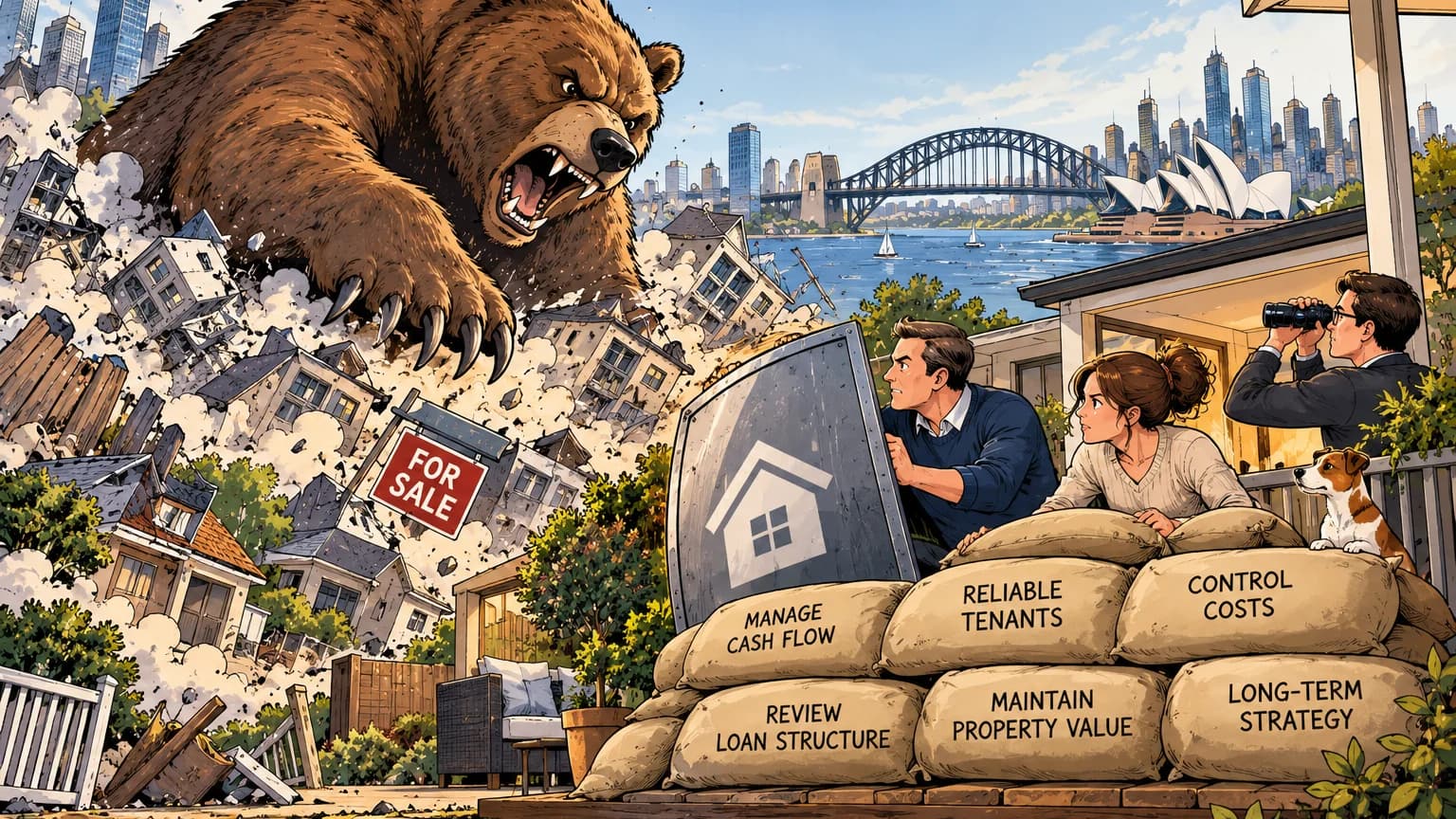
Many homeowners have worked hard and taken significant financial risks to purchase their properties. A sharp downturn can create genuine hardship, particularly for highly leveraged households. Property investors also help provide rental accommodation, although the effects of investment on supply and affordability vary.
The objective shouldn't be to punish existing owners in the hope that younger buyers benefit. Nor should it be to protect property values at any cost.
A healthier market is one where property prices are supported by real household purchasing power, rental investments can deliver sustainable returns, and new homes can be built at a viable cost.
The question Sydney should really be asking
We often talk about housing affordability as though it can be solved by changing the price on a listing. But a young buyer needs to save a deposit while paying rent, earn a stable income, obtain a manageable loan and find a suitable home where they can realistically live and work. After buying, they still need enough income left over to have a life.
If prices fall but those conditions don't improve, what have we achieved?
At YAY Real Estate, we're not arguing that property prices should keep rising. Endless price growth isn't healthy. But falling prices alone should not be celebrated as the solution to Sydney's housing crisis.
Sydney doesn't simply need cheaper houses. It needs a realistic pathway into home ownership for ordinary working people.
For existing owners, the same principle of affordability and sustainability applies to rental investment decisions: realistic rental pricing, maintenance and cash flow matter more than assuming capital values will rise indefinitely. Owners considering the leasing position of their property can request a rental appraisal.
Otherwise, we risk congratulating ourselves on a market correction while the next generation remains locked out. That would be a hollow victory.
YAY Perspectives — independent property market commentary from YAY Real Estate. General information only; not personal financial, investment or legal advice.